Emerging Onsite Industry Technology Trends for 2026
From modular treatment systems to smart monitoring and energy-efficient design, emerging wastewater technologies are reshaping how onsite systems are managed heading into 2026.
How Modular Systems, Smart Monitoring, and Energy-Neutral Treatment Are Reshaping Onsite Wastewater
Water and wastewater management is entering a period of rapid technological change. Pressures from growth, regulation, climate resilience, and infrastructure funding are accelerating innovation across the industry—particularly in onsite and decentralized wastewater systems.
For installers, inspectors, operators, designers, and regulators, these changes are not abstract. They are already influencing how systems are selected, designed, monitored, and managed in the field.
As we move into 2026, several key technology trends are shaping the future of onsite wastewater.
Modular and Decentralized Treatment Systems Are Expanding What’s Possible
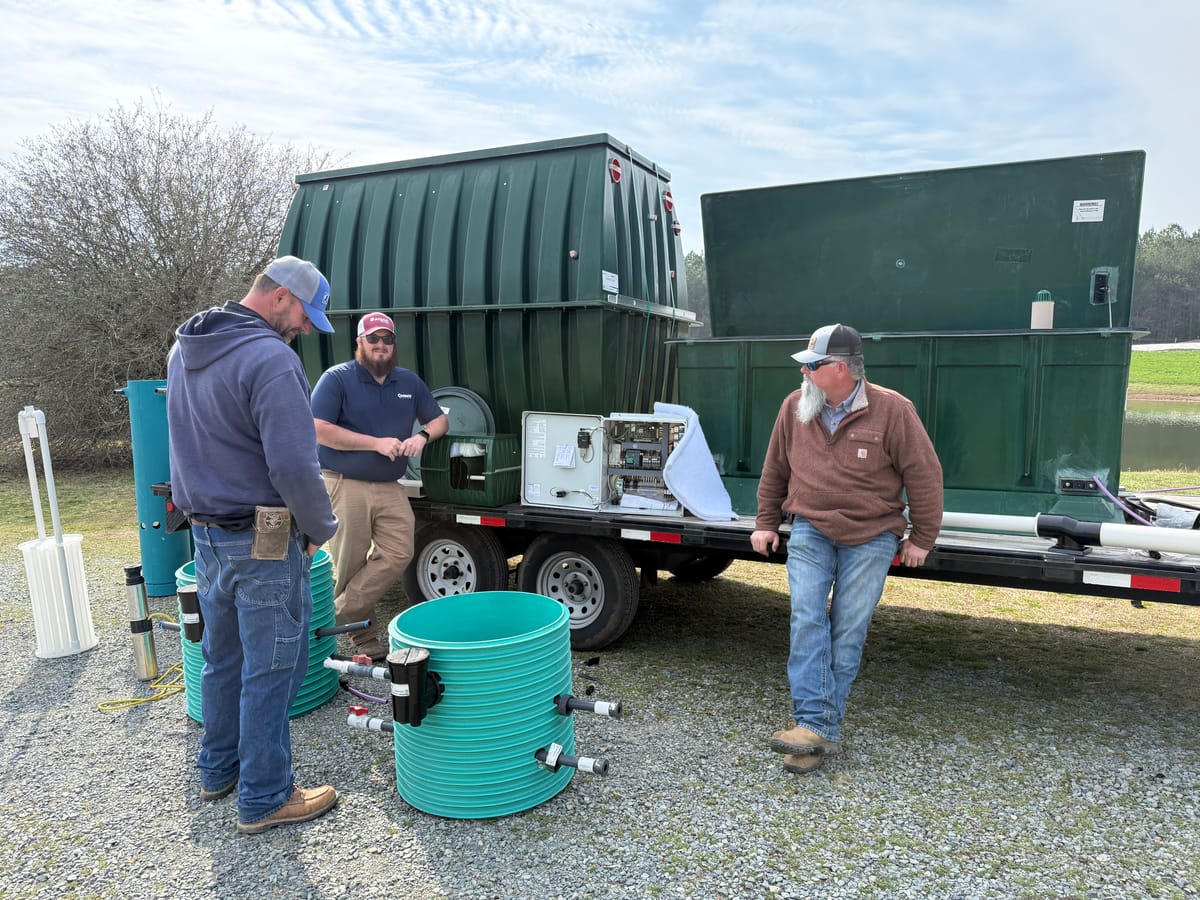
One of the most significant shifts in wastewater management is the growing adoption of modular and decentralized treatment systems.
Rather than relying on large, centralized plants, modular systems allow treatment capacity to be:
- Scaled incrementally
- Distributed across a site or community
- Matched more precisely to actual flows and loads
For small communities, clustered developments, commercial facilities, and rural areas, these systems offer flexibility that traditional infrastructure cannot.
What This Means for Professionals
Modular systems change the role of the onsite professional:
- Design decisions become more performance-based
- Installation requires tighter tolerances and sequencing
- Inspection focuses on integration and system interaction
- Operation and maintenance shift toward long-term system management
Professionals are no longer just installing components—they are implementing treatment strategies.
Smart Monitoring and Automation Are Becoming Standard Expectations
The rise of smart monitoring, sensors, and automation is another defining trend for 2026.
Advanced onsite systems increasingly incorporate:
- Flow and pressure monitoring
- Alarm and alert systems
- Remote data access
- Performance trend tracking
These tools improve system reliability and allow issues to be identified earlier—often before failures occur.
Implications for Installers, Inspectors, and Operators
Smart systems raise the bar for professional competency:
- Installers must understand how sensors and controls integrate with treatment components
- Inspectors must interpret data, not just observe physical conditions
- Operators must manage systems proactively, not reactively
As monitoring becomes more common, documentation, data interpretation, and accountability become central parts of the job.
Performance-Based Management Is Replacing “Install and Walk Away”
Technology is accelerating a broader shift already underway in the industry: a move from static installations to performance-based wastewater management.
Modern onsite systems are increasingly evaluated on:
- Treatment effectiveness
- Consistency over time
- Environmental impact
- Compliance with nutrient or discharge limits
This approach aligns closely with regulatory trends and public expectations for water quality protection.
For professionals, this means:
- Ongoing involvement after installation
- Greater emphasis on inspections and maintenance
- Increased value placed on trained operators and inspectors
Energy-Neutral and Energy-Efficient Wastewater Treatment
Another emerging trend is the push toward energy-neutral or energy-efficient wastewater treatment.
While historically associated with large municipal facilities, these concepts are now influencing decentralized and onsite system design through:
- Low-energy aeration technologies
- Optimized hydraulic design
- Integrated controls that reduce unnecessary runtime
- Systems designed to minimize lifecycle energy demand
Why This Matters in Onsite Wastewater
Energy efficiency affects:
- Operating costs for owners
- Long-term sustainability of systems
- Public perception of decentralized treatment
As energy-neutral concepts move downstream, onsite professionals will need to understand how design choices affect energy use and system performance over time.
Technology Is Increasing the Professional Responsibility of the Workforce
Across all these trends, one theme is clear:
Technology is not simplifying onsite wastewater—it is professionalizing it.
Modern systems require:
- Strong foundational knowledge
- Ongoing education
- Comfort with data and diagnostics
- Clear understanding of regulatory expectations
This is reshaping the industry into one where training, continuing education, and professional standards are no longer optional—they are essential infrastructure.
Organizations like Onsite Wastewater Professionals, which focus on applied education and workforce preparedness, are increasingly aligning training with these emerging technologies to ensure professionals are ready for what systems now demand in the field.
What to Expect Moving Into 2026
Looking ahead, several trends are likely to accelerate:
- Wider adoption of modular treatment for non-sewered development
- Increased regulatory acceptance of performance-based onsite systems
- Greater reliance on monitoring and documentation
- Higher expectations for professional competency and accountability
The systems may be decentralized, but the responsibility for protecting water quality is not.
The Bottom Line
Emerging wastewater technologies are changing how onsite systems are designed, installed, inspected, and managed.
For professionals, success in 2026 will depend less on familiarity with a single product and more on:
- Understanding system performance
- Interpreting data and diagnostics
- Managing systems over their full lifecycle
- Staying current through education and training
The future of onsite wastewater is not just about new technology—it is about a workforce capable of using it effectively.