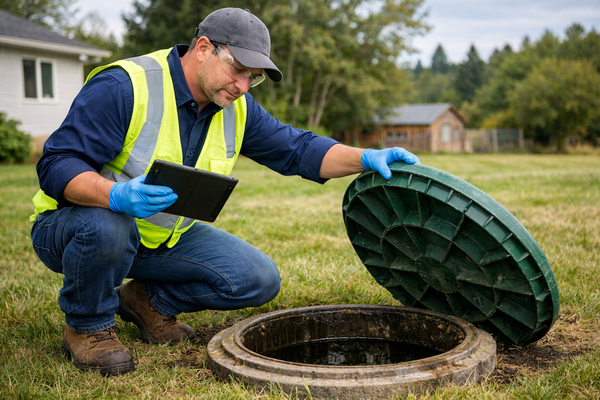
Florida Senate Bill 1386 Signals a Shift Toward Managed Septic Infrastructure
Florida Senate Bill 1386 proposes statewide septic inspections as a step toward managing decentralized wastewater infrastructure. The bill treats septic systems as one part of a larger nutrient pollution challenge and emphasizes oversight, education, and long-term system performance.
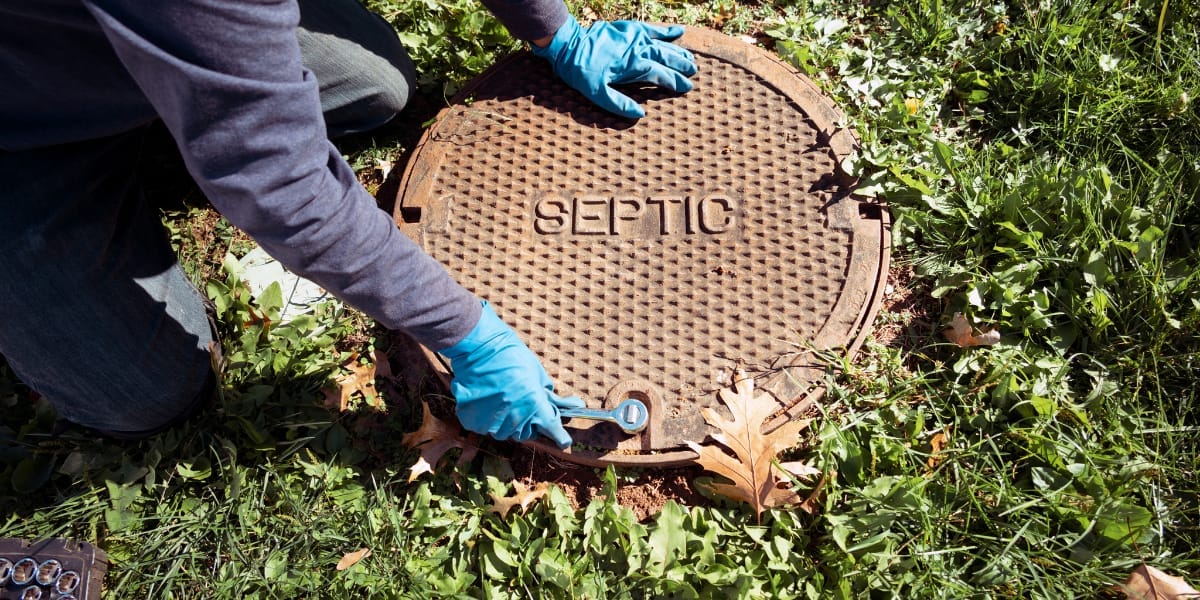
Florida Senate Bill 1386 proposes a meaningful change in how onsite sewage treatment and disposal systems are managed statewide. Rather than restricting septic systems or forcing conversions to sewer, the bill focuses on routine inspections and long-term oversight as tools to protect water quality and public health.
For professionals in the septic and onsite wastewater industry, SB 1386 reflects a growing policy consensus that decentralized wastewater systems are permanent infrastructure and must be managed accordingly.
What Senate Bill 1386 Does
SB 1386 directs the Florida Department of Environmental Protection to establish a statewide septic system inspection program. Most onsite systems would be inspected on a recurring five-year cycle, with a phased implementation prioritizing environmentally sensitive areas such as springsheds and nutrient-impaired waters.
The bill establishes minimum performance expectations, requires documentation of inspection results, and outlines corrective actions when systems are found to be failing or not functioning as intended. The emphasis is not on system replacement, but on identifying issues early and ensuring systems continue to operate within their design limits.
This approach recognizes that septic systems are not inherently problematic. The risk arises when systems are poorly sited, improperly installed, or allowed to operate for decades without evaluation or maintenance.
Decentralized Wastewater Is Critical Infrastructure
Approximately one-third of Florida residents rely on septic systems. In many rural, coastal, and rapidly developing areas, centralized sewer infrastructure is economically impractical or environmentally disruptive. Onsite wastewater systems allow development to occur responsibly where sewer is unavailable, while avoiding the cost and energy demands of long sewer extensions.
Modern septic and advanced treatment systems are capable of high levels of treatment performance when properly managed. The long-standing challenge has not been technology, but the absence of consistent oversight after installation.
SB 1386 aligns septic systems with other forms of infrastructure that require periodic evaluation, such as private wells, stormwater systems, and small wastewater treatment facilities. It reflects a shift away from install-and-forget thinking toward lifecycle management.
Septic Systems Are an Easy Target, but Only One Part of the Problem
Nutrient pollution in Florida’s waterways is a complex issue with multiple contributors. Septic systems are often highlighted in public discussion because they are visible, localized, and easier to regulate than other sources. However, they represent only one component of overall nutrient loading, and in many watersheds, they are not the largest source.
Agricultural runoff, urban stormwater, legacy nutrients in sediments, lawn fertilizers, atmospheric deposition, and wastewater treatment plant discharges all play significant roles in nutrient impairment. Focusing solely on septic systems oversimplifies the problem and risks ignoring other major contributors.
SB 1386 does not frame septic systems as the primary cause of Florida’s water quality challenges. Instead, it treats them as one manageable part of a broader nutrient reduction strategy. This distinction matters. Properly designed and maintained septic systems can protect water quality and, in some cases, perform better than centralized sewer solutions in low-density environments.
Why Inspections Matter
Most septic systems in Florida receive little to no routine oversight after installation. Problems often go unnoticed until they become surface failures or environmental issues. Regular inspections allow issues such as hydraulic overload, tank failure, drainfield stress, or improper modifications to be identified early.
Inspection-based management reduces nutrient losses, extends system life, and lowers long-term costs for property owners. It also supports more accurate data collection, helping regulators and professionals better understand system performance across different soil types and landscapes.
For the industry, inspections shift work away from emergency response and toward planned maintenance, evaluation, and system optimization.
What This Means for the Septic Industry
SB 1386 represents both a responsibility and an opportunity for onsite wastewater professionals.
- Increased demand for qualified inspectors and service providers
Routine inspections require trained professionals who understand system design, soil conditions, and performance indicators. - A more professionalized industry
Standardized inspections elevate expectations and reinforce septic systems as engineered treatment systems, not informal infrastructure. - Greater emphasis on education and communication
Homeowners will need guidance on system operation, maintenance schedules, and realistic performance expectations. - A stronger case for decentralized wastewater
Managed systems strengthen the argument that septic is not a second-class solution, but a viable and often superior option when properly overseen. - Alignment with national trends
Florida’s approach mirrors a broader shift toward inspection-based management of decentralized wastewater systems across the U.S.
A Step Toward Long-Term Stewardship
Florida’s growth and geography make decentralized wastewater unavoidable in many regions. The question is not whether septic systems should exist, but how they should be managed.
Senate Bill 1386 advances a practical middle ground: neither neglect nor prohibition, but professional oversight. By incorporating inspections into routine environmental management, the bill supports infrastructure resilience while acknowledging that nutrient pollution is a multi-source problem requiring balanced solutions.
For the septic industry, the message is clear. The future of onsite wastewater is not just installation. It is management, education, and accountability.
Click below to read Florida Senate Bill 1386