How to Become a Subsurface Wastewater Operator: Training, Certification Requirements, and What the Job Really Involves
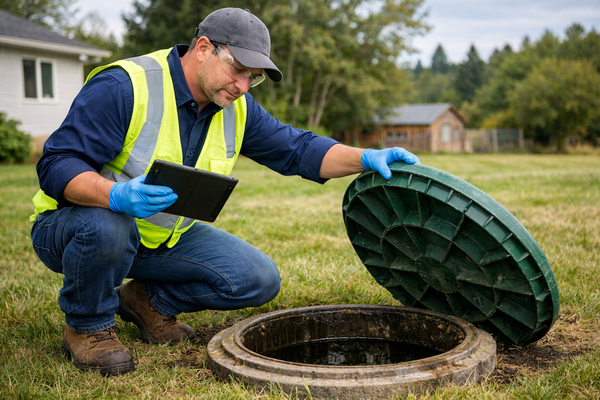
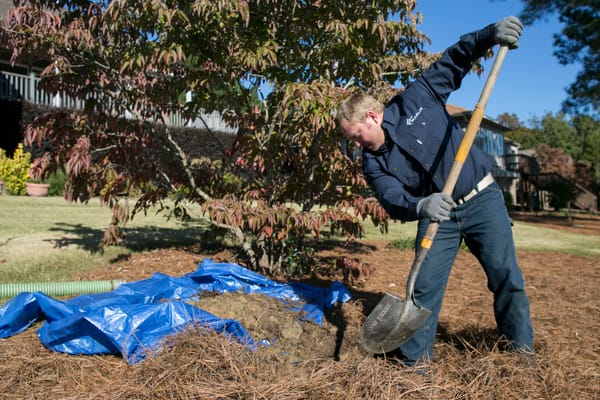
A Subsurface Wastewater Operator plays a critical role in managing onsite wastewater systems—those systems that treat and disperse wastewater beneath the ground (rather than sending it to a centralized treatment plant). These operators help ensure that wastewater is treated safely and effectively, helping to protect both public health and the environment.
Upcoming Classes to become a Subsurface Wastewater Operator
Key Responsibilities
Here are some of the major tasks and functions such an operator performs:
- System monitoring & sampling: They monitor the performance of subsurface wastewater systems—checking flow rates, sampling effluent or water quality where required, and ensuring the system is meeting design and regulatory standards.
- Operation & maintenance (O&M): They carry out routine inspections and maintenance on system components like tanks, pumps, control panels, drip irrigation or low‐pressure pipe systems, distribution boxes, and soil treatment zones.
- Troubleshooting & repair: When parts of the system malfunction or performance dips, the operator diagnoses causes (e.g., control panel issues, float settings, pump failures, distribution mis‐balance) and implements corrective actions.
- Record‐keeping & regulatory compliance: Operators maintain logs, inspections reports, contracts with owners, and ensure the system meets regulatory requirements (such as local codes, state rules).
- Customer/owner interface: They communicate with system owners or users—explaining how the system works, advising on maintenance, scheduling inspections, managing contracts, and sometimes educating clients about proper use and care of their system.
- Environmental and health protection: By keeping subsurface systems functioning correctly, they prevent untreated or poorly treated wastewater from reaching groundwater, surface water, or soils in a way that could cause contamination or public health risk.
In short: they are the skilled, on‐the‐ground professionals who keep complex onsite wastewater systems operating safely, efficiently and in compliance.
Why It’s Important
With more homes, developments, and remote sites relying on advanced onsite systems (especially in areas without centralized sewer), the role of subsurface operator has grown in importance. Poorly maintained or malfunctioning systems can lead to groundwater contamination, failed dispersal, costly repairs, or public health hazards. A good operator prevents these risks—and ensures long‐term system performance, cost‐effectiveness, and regulatory compliance.
How to Become a Subsurface Wastewater Operator (in North Carolina)
Here’s a practical roadmap to become a certified Subsurface Wastewater Operator.
1. Training Program
- Enroll in the 3-day “Subsurface Operator School” offered by Onsite Wastewater Professionals. This program is described as an intensive, three-day course designed to equip you with knowledge, skills and hands-on experience in subsurface wastewater management.
- Course highlights include:
- Introduction to wastewater (types, constituents, impacts)
- Safety protocols for subsurface systems
- System components: collection systems, primary & advanced treatment, distribution, soil treatment zones
- Monitoring & sampling, including interpreting results
- Math skills (basic functions applied to system operation)
- Operation & maintenance: e.g., low‐pressure pipe systems, drip irrigation, float setup, programming control panels, troubleshooting
- Records, reporting, contracts and owner interface
2. Meet Eligibility Requirements for Certification
After training, to become certified you must meet one of the following criteria:
- Have one year of actual experience operating a subsurface water pollution control system.
- Or be a graduate of a two- or four-year college or university and have passed six courses in the basic sciences.
- Or be a private homeowner who intends to operate only their own domestic subsurface system.
- Or hold a valid Grade II or higher biological water pollution control system operator certification.
Important note: Simply taking the training course is not enough—you must also satisfy one of the eligibility paths to be certified.
3. Study & Prepare for Exam (if required)
- Onsite Wastewater Professionals offers a “Subsurface Operator Study Guide” which covers everything you need to know: rules, math practice, sample forms, inspection templates, laws, etc.
- Topics you’ll want to master include:
- Regulatory rules (in North Carolina, e.g., the 18E rules)
- System math: flow calculations, volumes, dosing, distribution, etc
- System components and operation & maintenance of various technologies
- Sampling protocols and interpreting monitoring data
- Field operations: inspection checklists, contracts with owners, record keeping
- Make sure you’re comfortable with the hands-on side (float setup, programming panels, etc) as well as theory.
4. Gain Experience & On-going Professional Development
- With experience in system operations, you build the competency needed for certification and for effective work.
- Even after certification, staying current matters: rules change, technologies advance, specialized systems (drip irrigation, low‐pressure pipe, advanced pretreatment) require up‐to‐date skills.
- Consider continuing education, field training, and networking with other professionals in the onsite wastewater industry.
5. Maintain Certification & Stay Compliant
- After becoming certified, you’d typically need to ensure that your certification remains valid (renewals, continuing education credits, regulatory compliance).
- Maintain your documentation, client contracts, system reports, sampling records and safety protocols—good professional practice helps you stand out and avoid liability.
Why This Path Makes a Good Career / Advantage for Your Organization
- There is a strong demand for skilled subsurface wastewater operators because many onsite systems require specialized oversight and maintenance—not just “install and forget”.
- By achieving certification you gain credibility in a regulated environment: regulators, system owners, and consultants look for operators who are trained and certified.
- A certified operator can provide added value: reliable system performance, fewer failures, less risk of environmental harm—these translate into better reputation, business growth, and trust.
- Moreover, the hands-on and regulatory aspects mean this is not easily commoditized—skilled professionals with certified credentials can command higher trust and potentially higher rates.
Final Thoughts
Becoming a Subsurface Wastewater Operator is both technical (you must master system components, hydraulics, soils, treatment technologies) and regulatory/managerial (you deal with safety, compliance, customer interaction, record-keeping). The training from Onsite Wastewater Professionals provides a guided pathway for someone serious about building a career in the onsite wastewater industry.
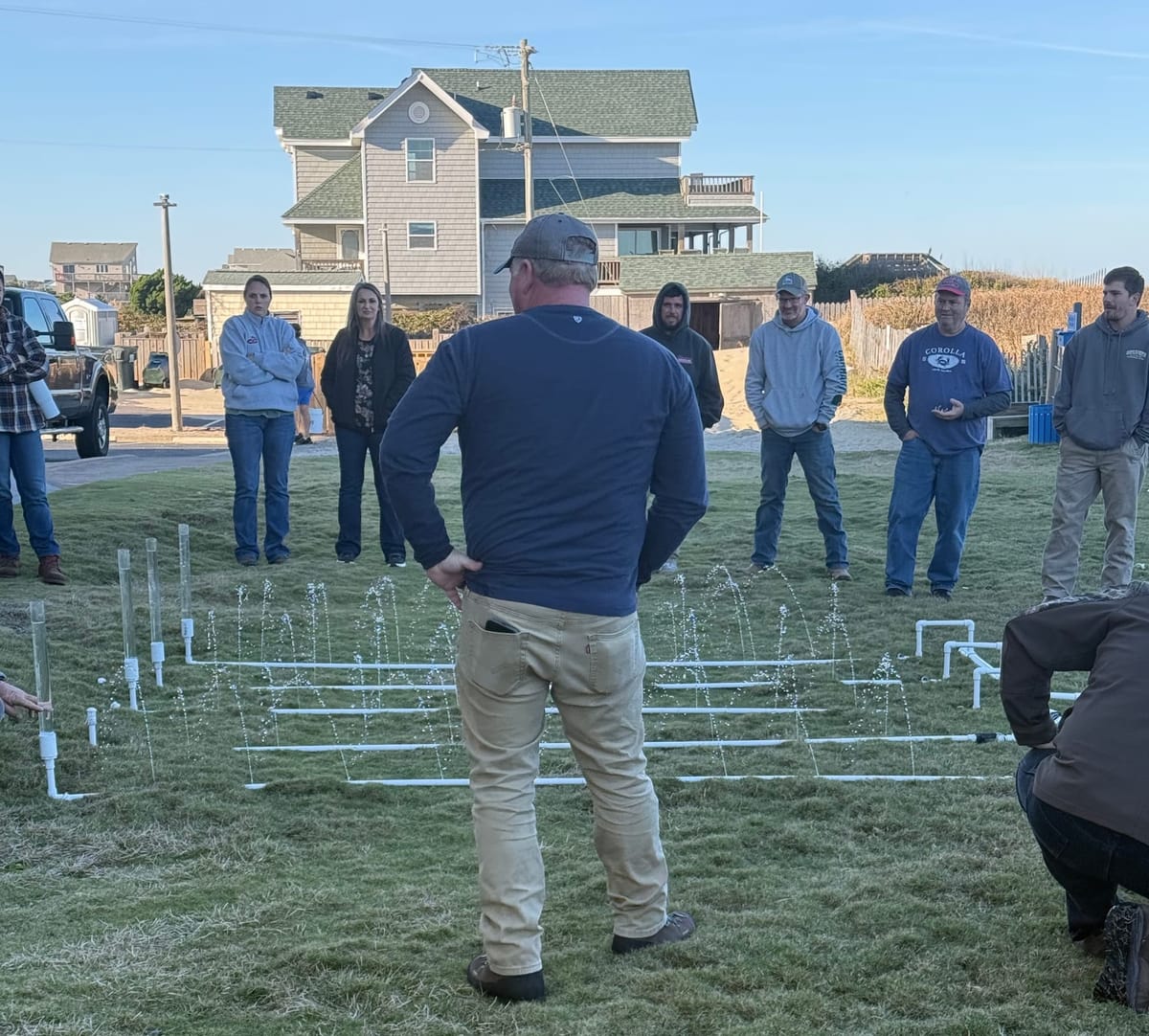
Septic School: Subsurface Operator School Video - Kitty Hawk NC
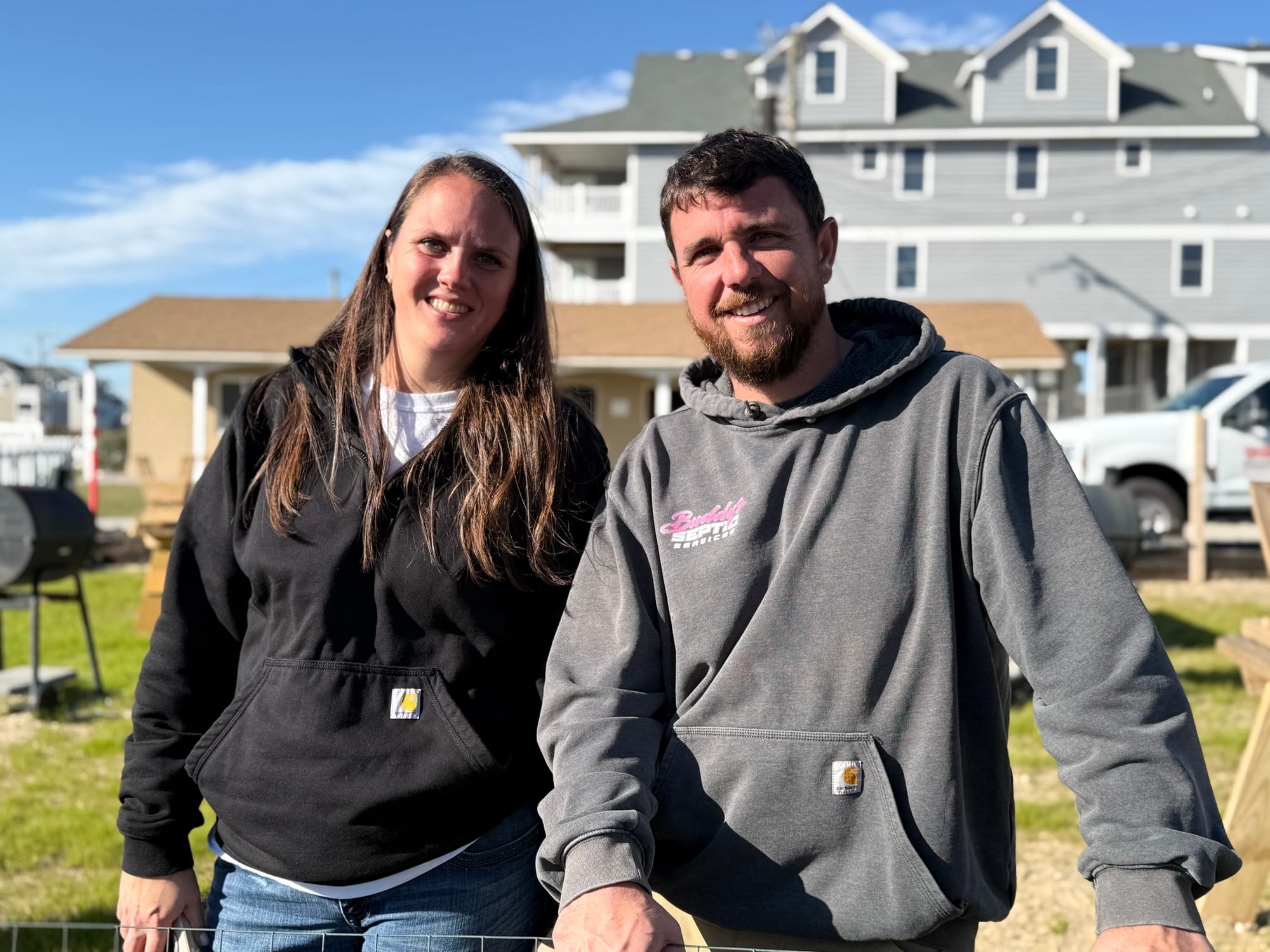
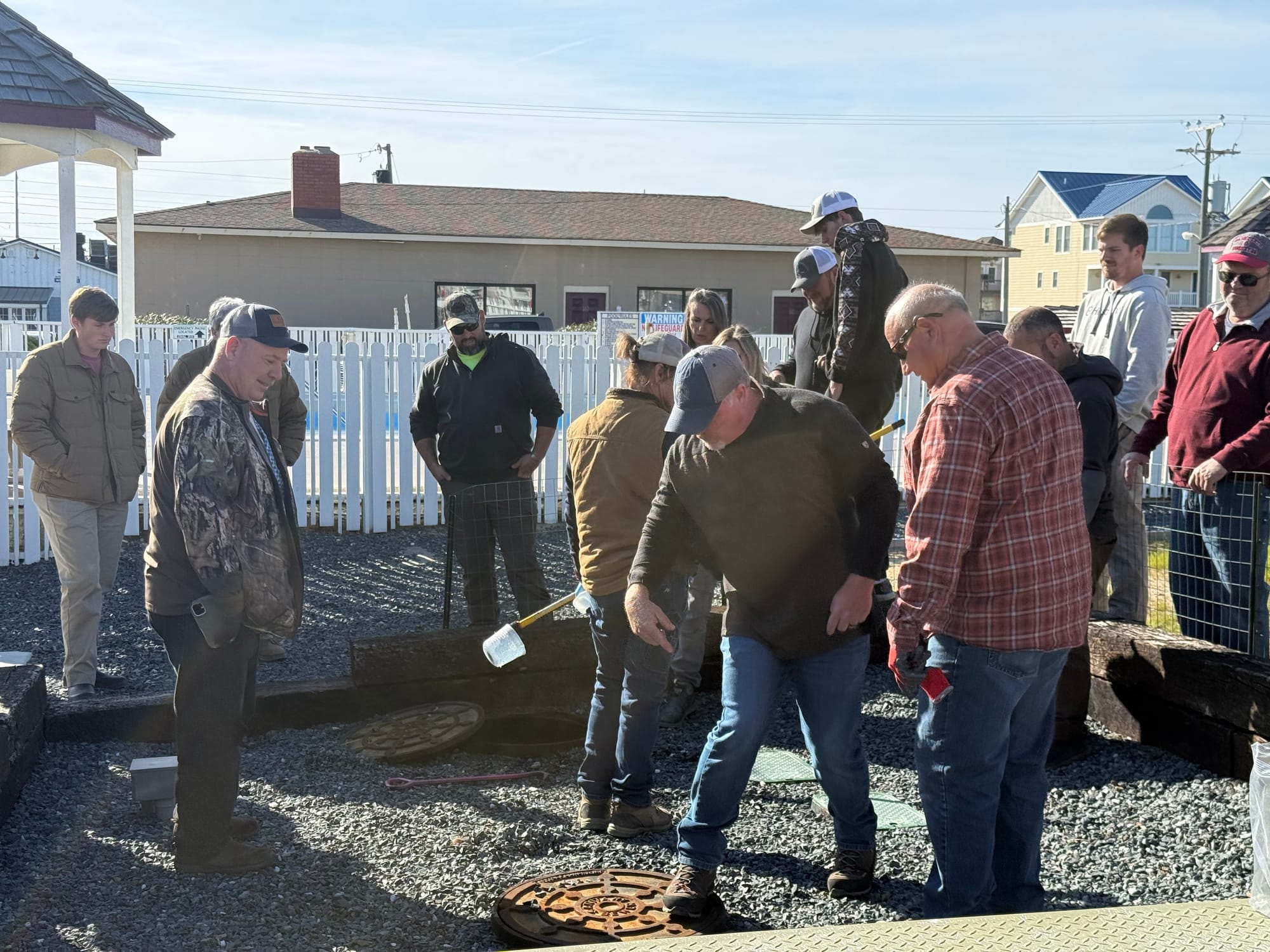
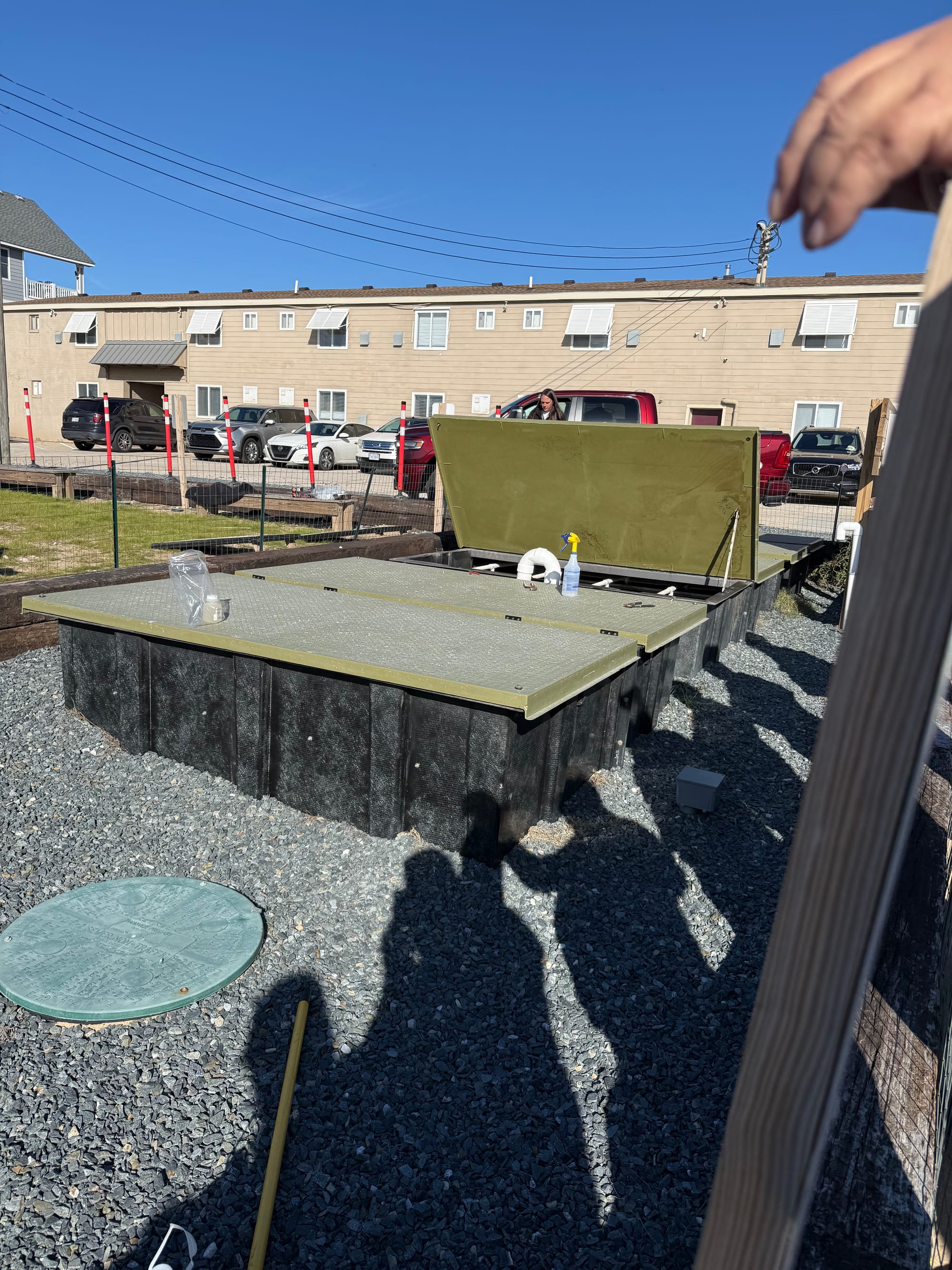
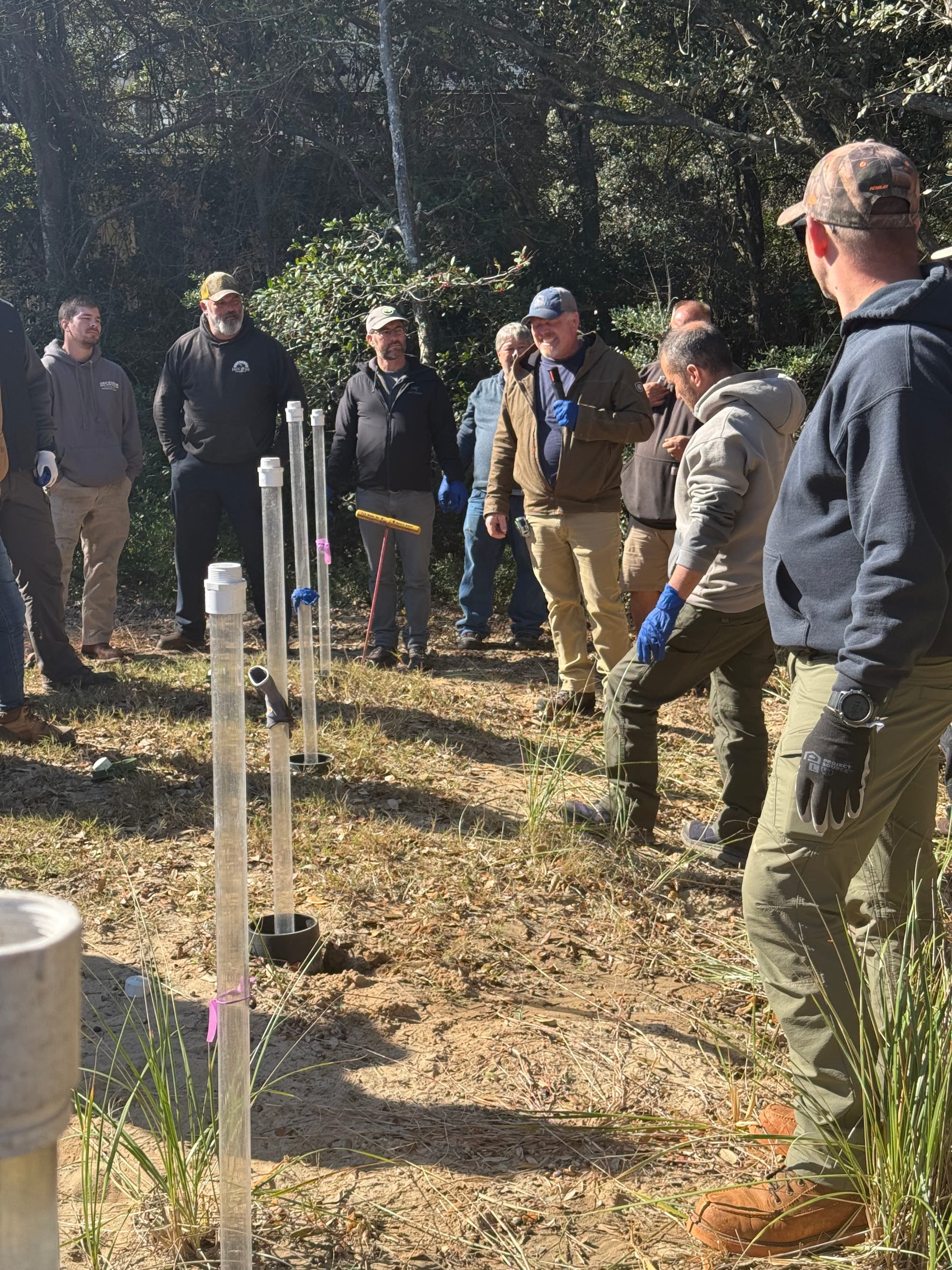
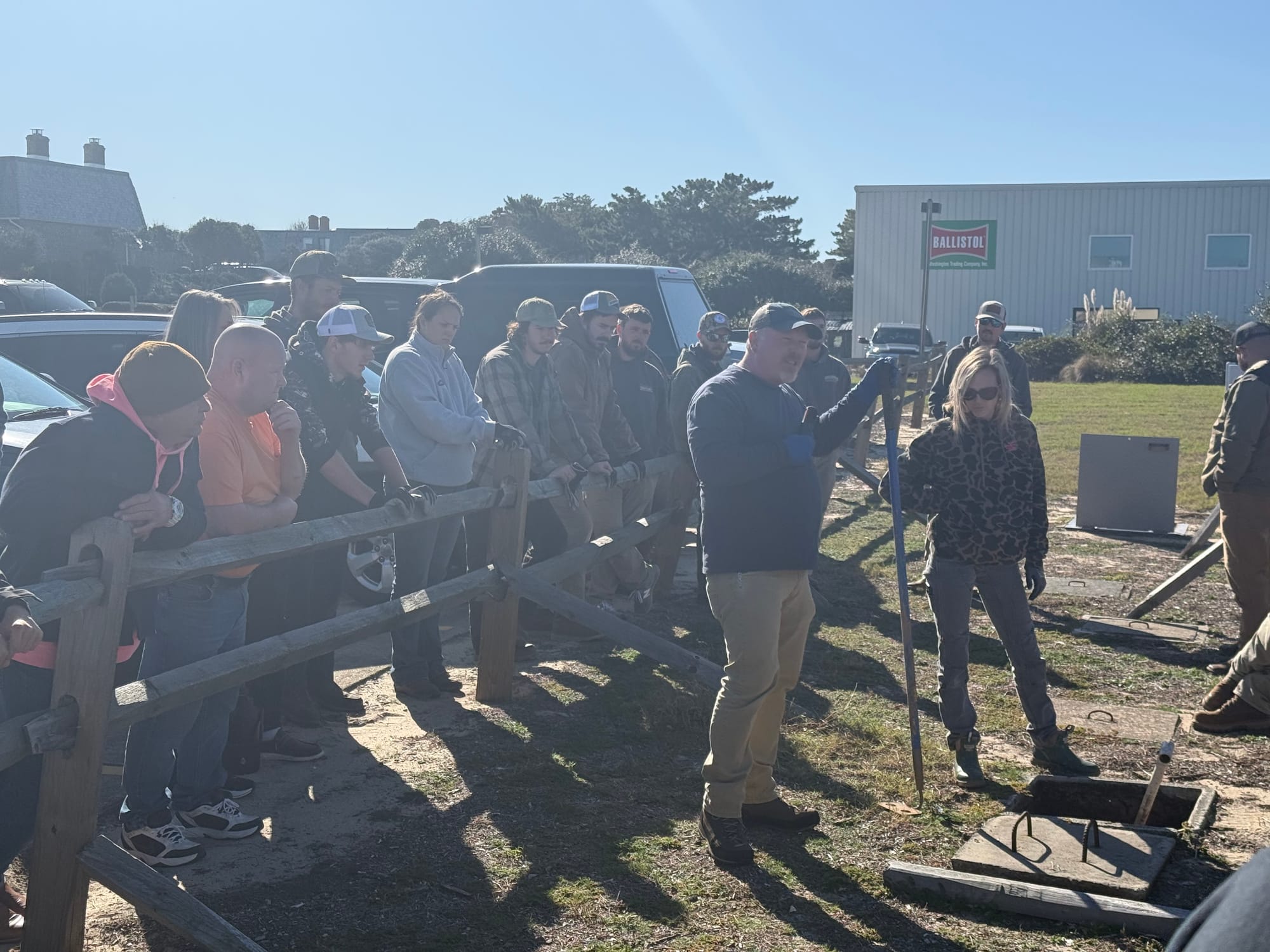
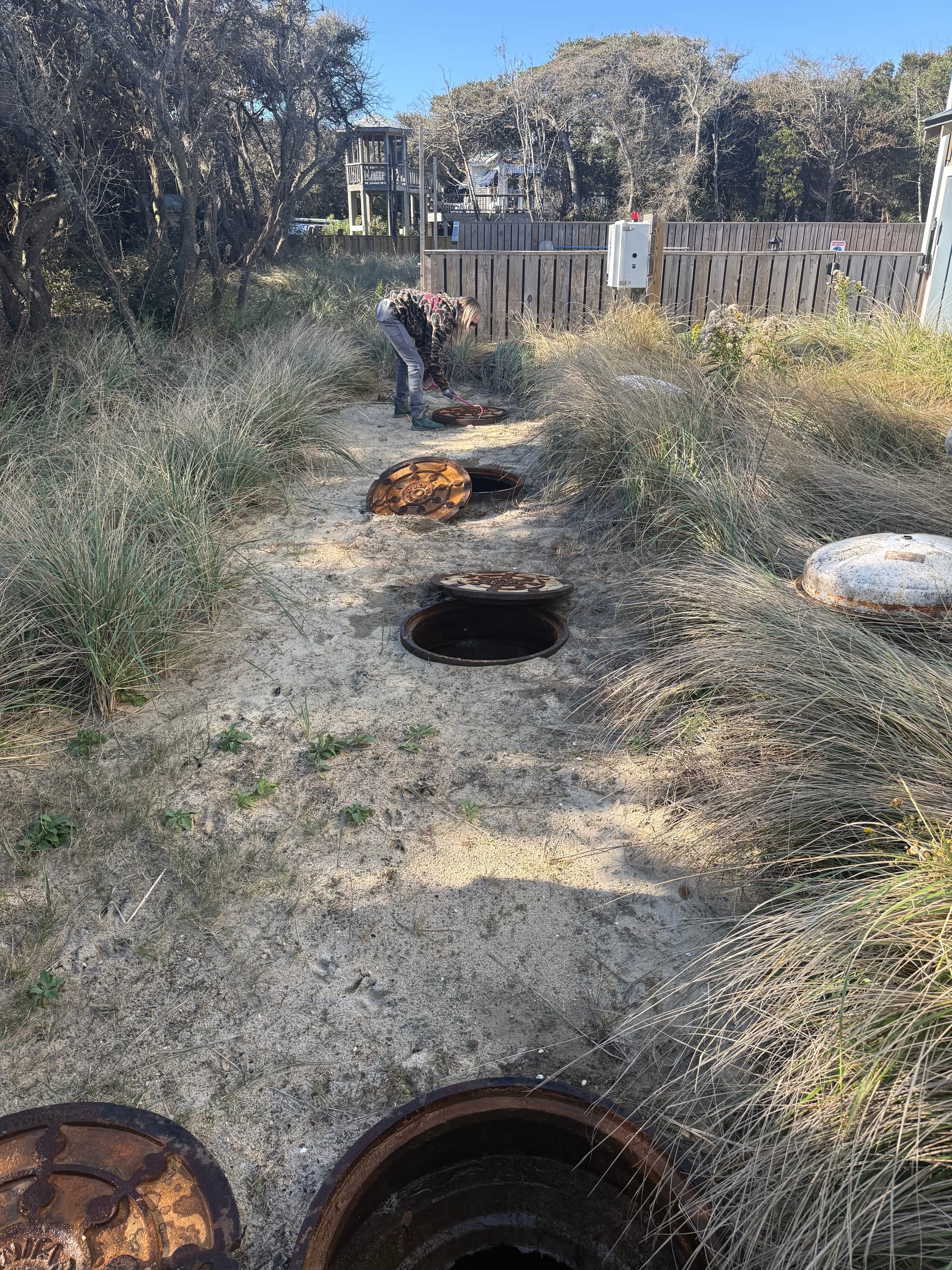
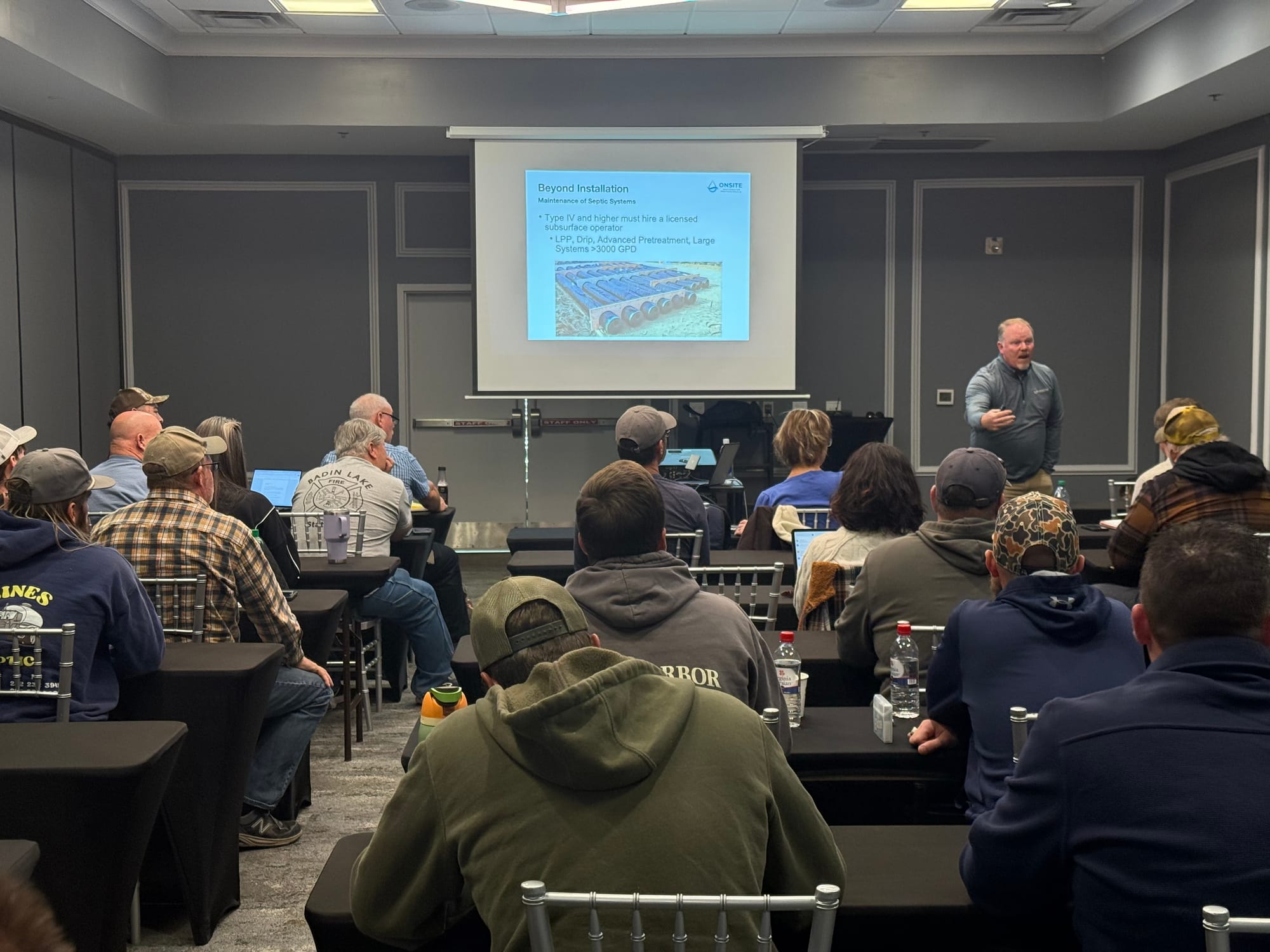
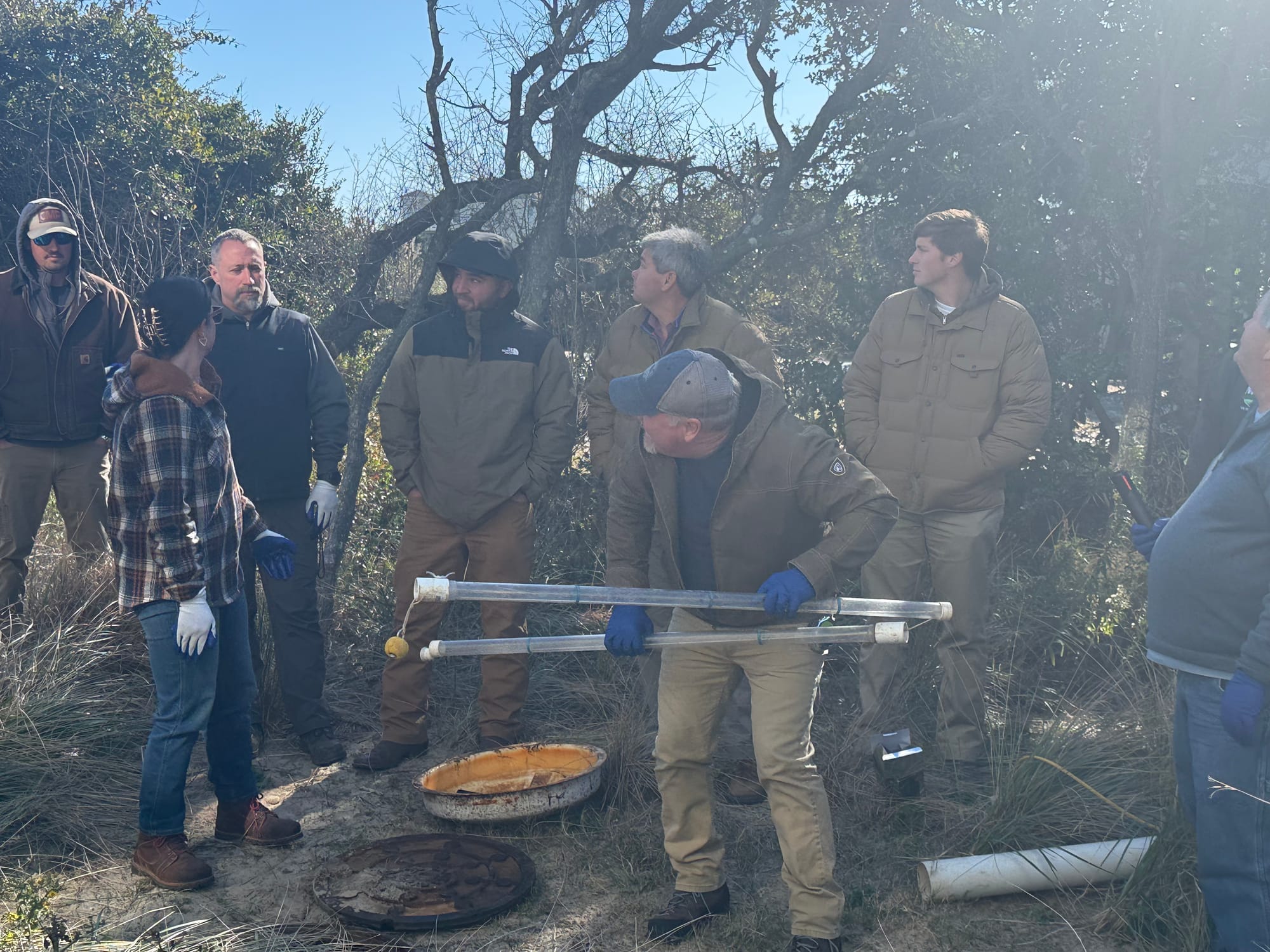
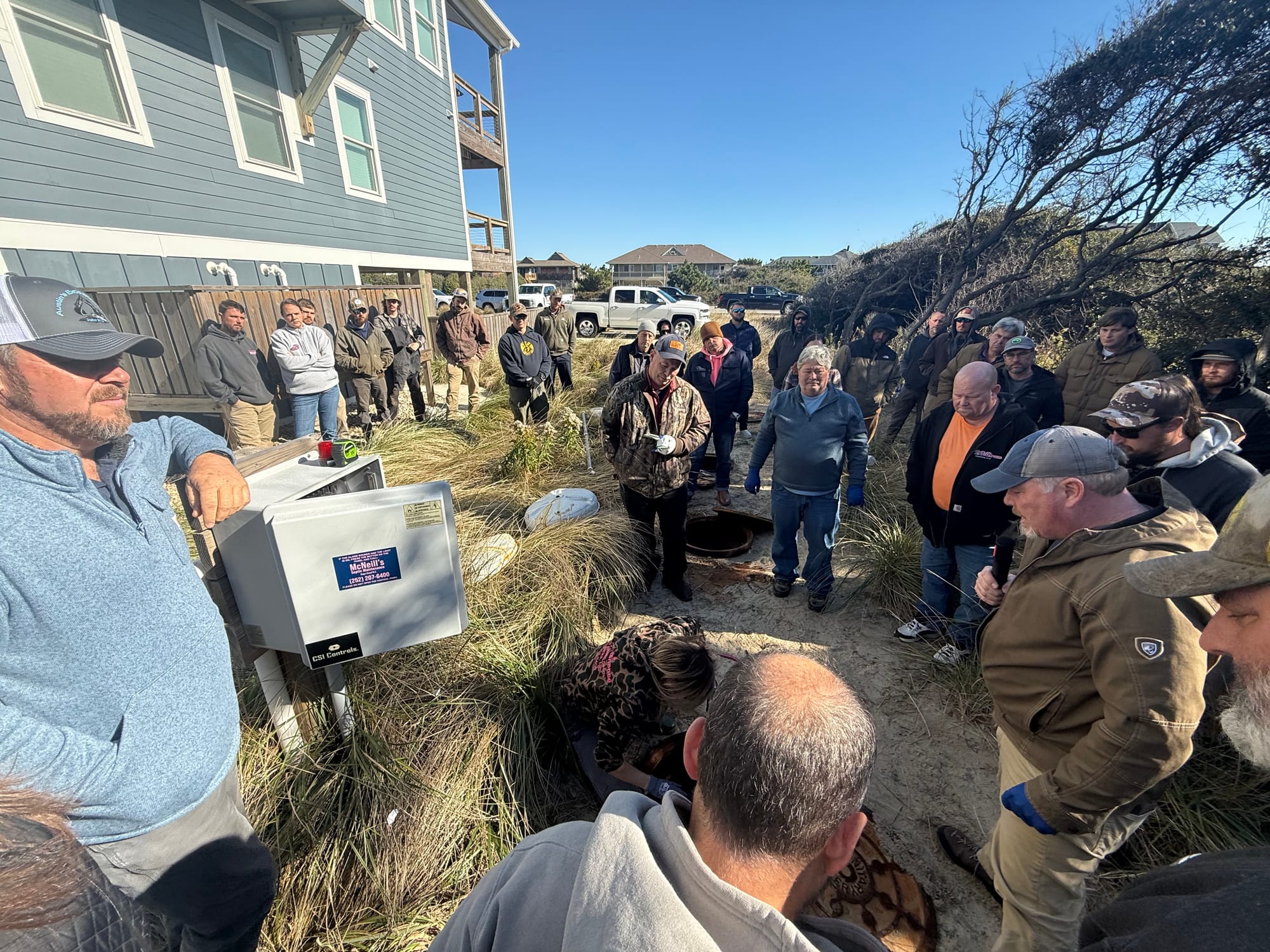
Moments from our hands-on Subsurface Wastewater Operator School in Kitty Hawk NC November 2025