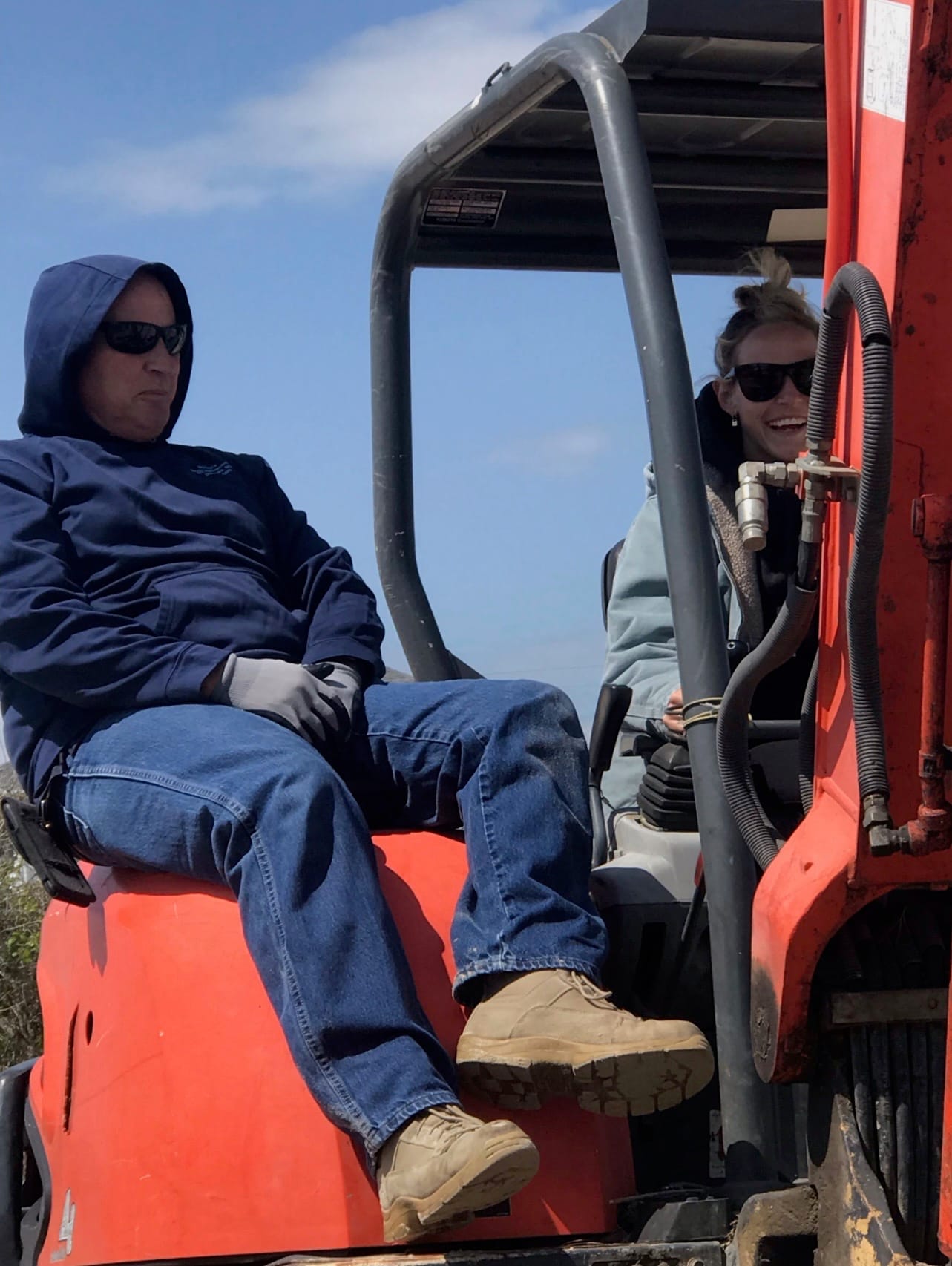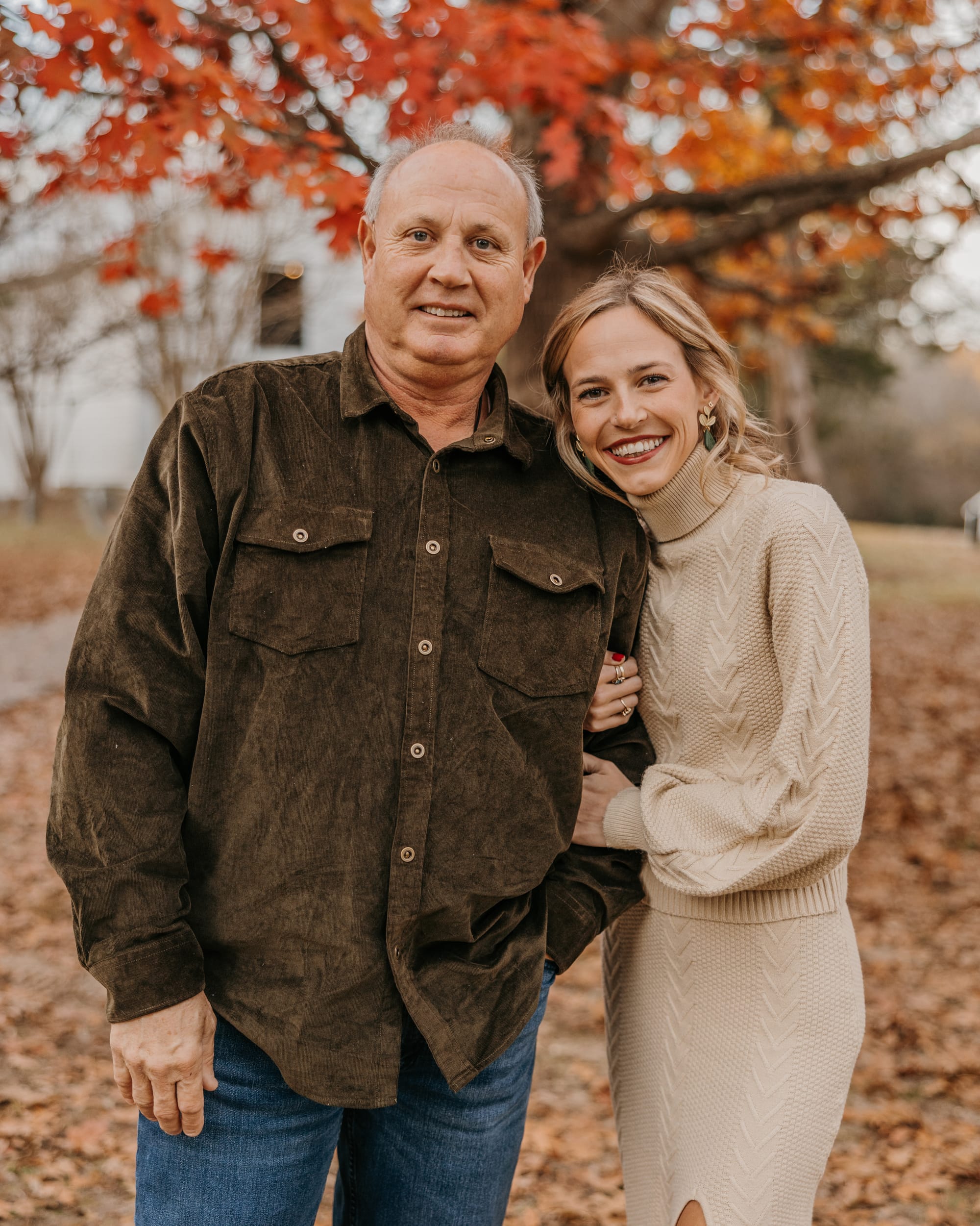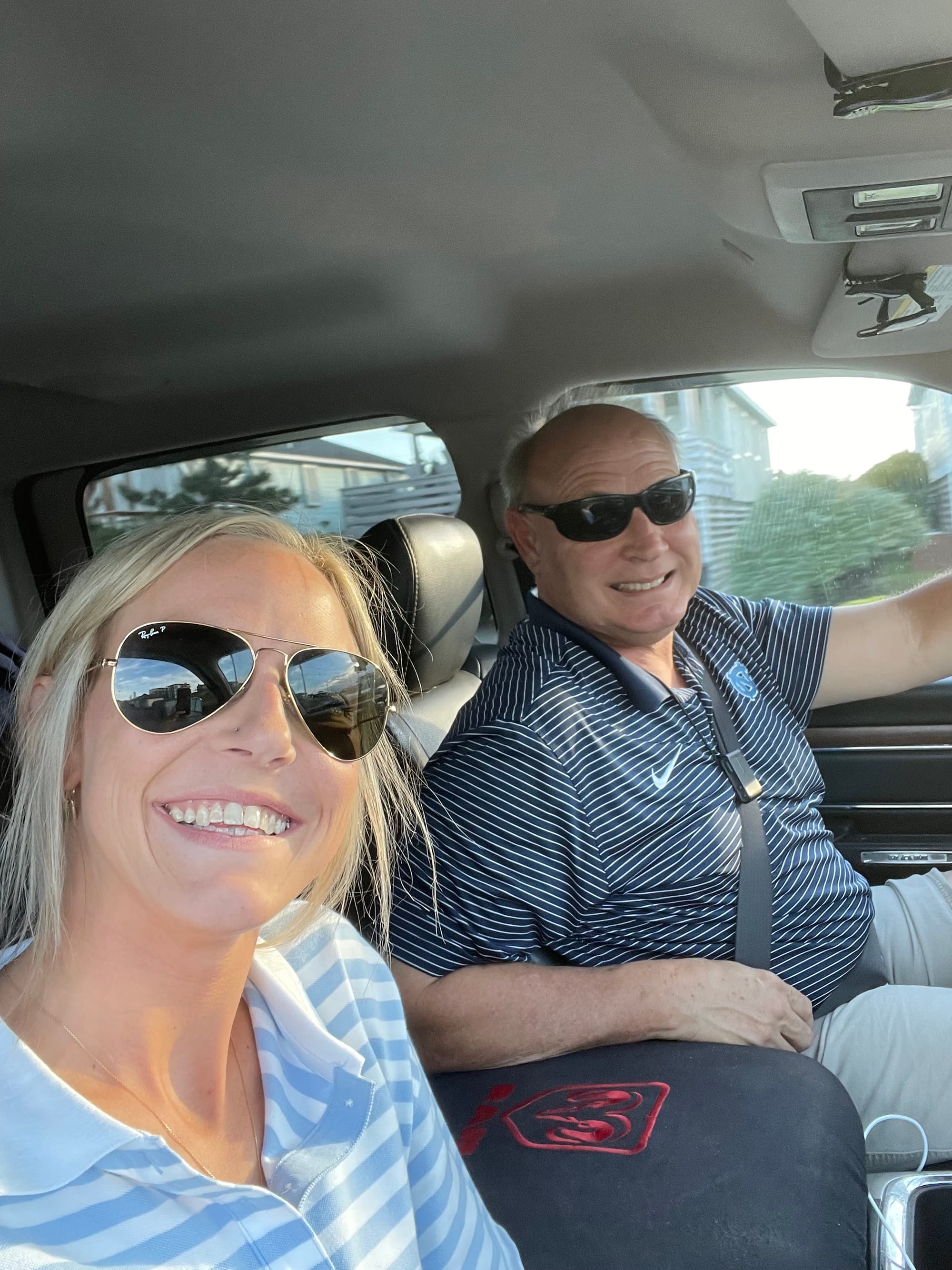
Keeping the Outer Banks Flowing: The Story of Jimmy & Cassidy McNeill of McNeill’s Septic
For Jimmy and Cassidy McNeill of McNeill’s Septic, operation and maintenance isn’t just work. It’s stewardship, community service, and a family legacy shaping the future of onsite wastewater on the Outer Banks.
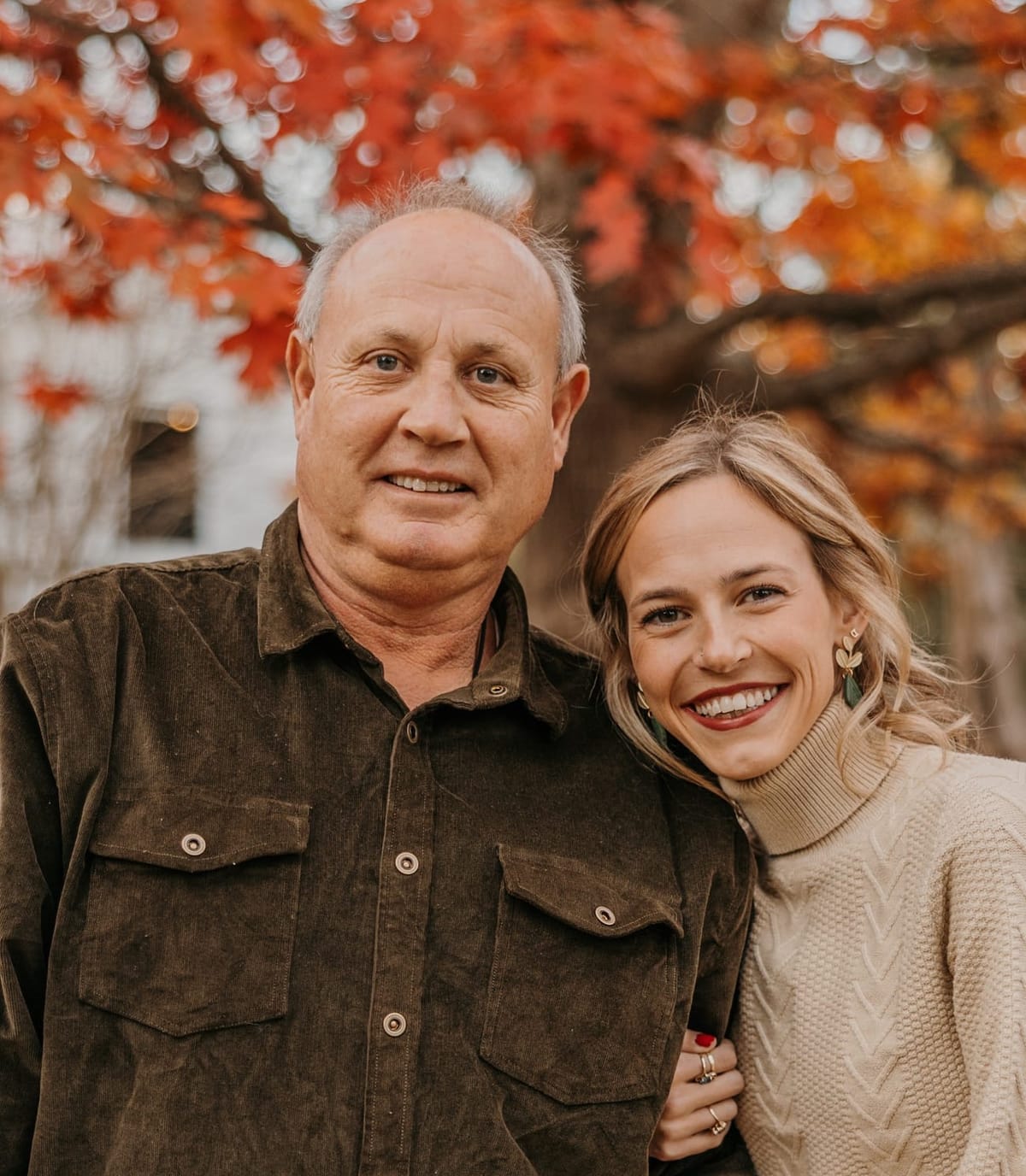
In the heart of North Carolina’s Outer Banks — a place shaped by shifting sands, soaring summer populations, and an unforgiving coastal environment — the quiet work of keeping wastewater systems functioning often goes unnoticed. But for Jimmy and Cassidy McNeill of McNeill’s Septic, operation and maintenance isn’t just work. It’s stewardship, community service, and a family legacy shaping the future of onsite wastewater on the Outer Banks.
From Restaurant Floors to Pump Trucks: Jimmy’s Unexpected Start
Before Jimmy became one of the most trusted operators on the Outer Banks, he was managing a restaurant and unsure of what came next. One of his regular customers, longtime septic professional Eddie Younts, mentioned that he was starting a pumping operation and asked Jimmy if he wanted to come work with him. That conversation pulled Jimmy into the septic industry — and the rest grew from there.
Jimmy learned the work through long days, trial and error, and mentorship from seasoned professionals. By 2006, he founded McNeill’s Septic, focusing on operation and maintenance — the lifeline of the Outer Banks’ thousands of onsite systems.
A Coastal Environment Unlike Anywhere Else
The Outer Banks presents challenges few inland operators ever face:
- High water tables
- Shifting sands and erosion
- Frequent storms, lightning strikes, and flooding
- Rental homes overloaded far beyond their design flow
A three-bedroom home designed for two or three people will routinely serve six to ten renters every week in peak season. Add in summer traffic that can turn a 30-minute drive into a three-hour crawl, and maintaining systems becomes both essential and demanding.
“People pay thousands to enjoy their week here,” Cassidy says. “The least we can do is make sure the toilets flush.”
Cassidy: The Next Generation of a Critical Trade
Cassidy grew up riding in the truck with her dad, helping flush drainfields, and watching how he interacted with homeowners. Yet she didn’t fully commit to the industry until 2020, when she was diagnosed with Hereditary Angioedema.
The condition reshaped her plans — but the septic profession offered something most careers couldn’t: purpose, flexibility, and the ability to work around the realities of her diagnosis.
“Septic gave me a path forward,” she says. “I realized I could be valuable, make a difference, and do it in a way that works for me.”
Today, Cassidy is a licensed operator, the lead on most field work, and one of the most knowledgeable young professionals working along the coast. She specializes in advanced treatment systems, route planning, troubleshooting, and the day-to-day work that keeps coastal systems functioning safely.
Supporting the Next Generation of Operators
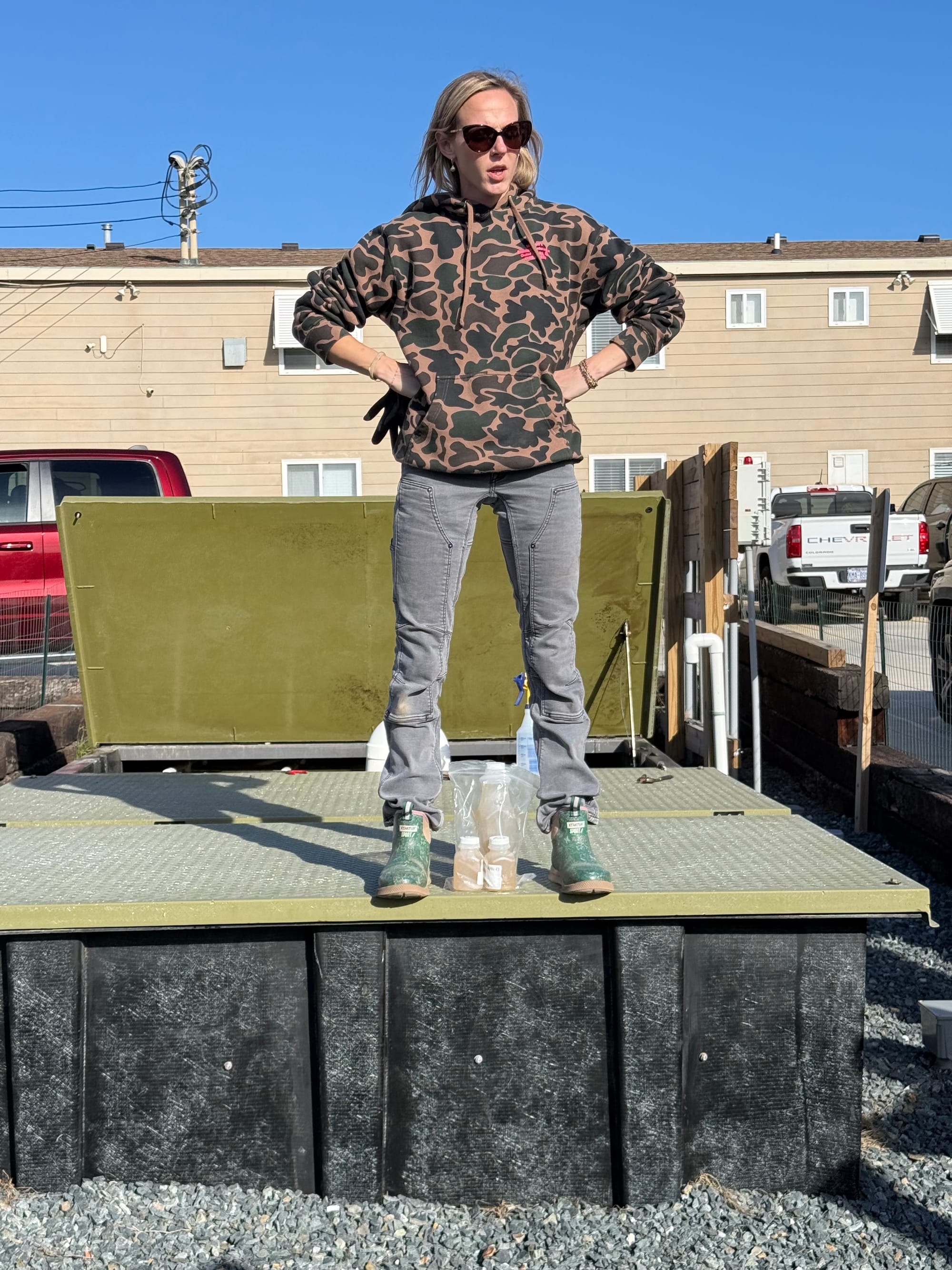
Beyond their own business, Jimmy and Cassidy generously give back to the wider industry. At least twice a year, the McNeill’s take time out of their schedules to assist Onsite Wastewater Professionals with Subsurface Wastewater Operator training. They walk new professionals through real systems, answer field questions, and demonstrate the work in a hands-on, practical way that classrooms alone simply cannot offer.
They also go out of their way to coordinate access to systems — from LPP to advanced treatment units — so our training classes can gain real-world coastal experience. These sessions have become some of the most valuable parts of our program and have helped dozens of new operators understand the complexity and importance of coastal wastewater management.
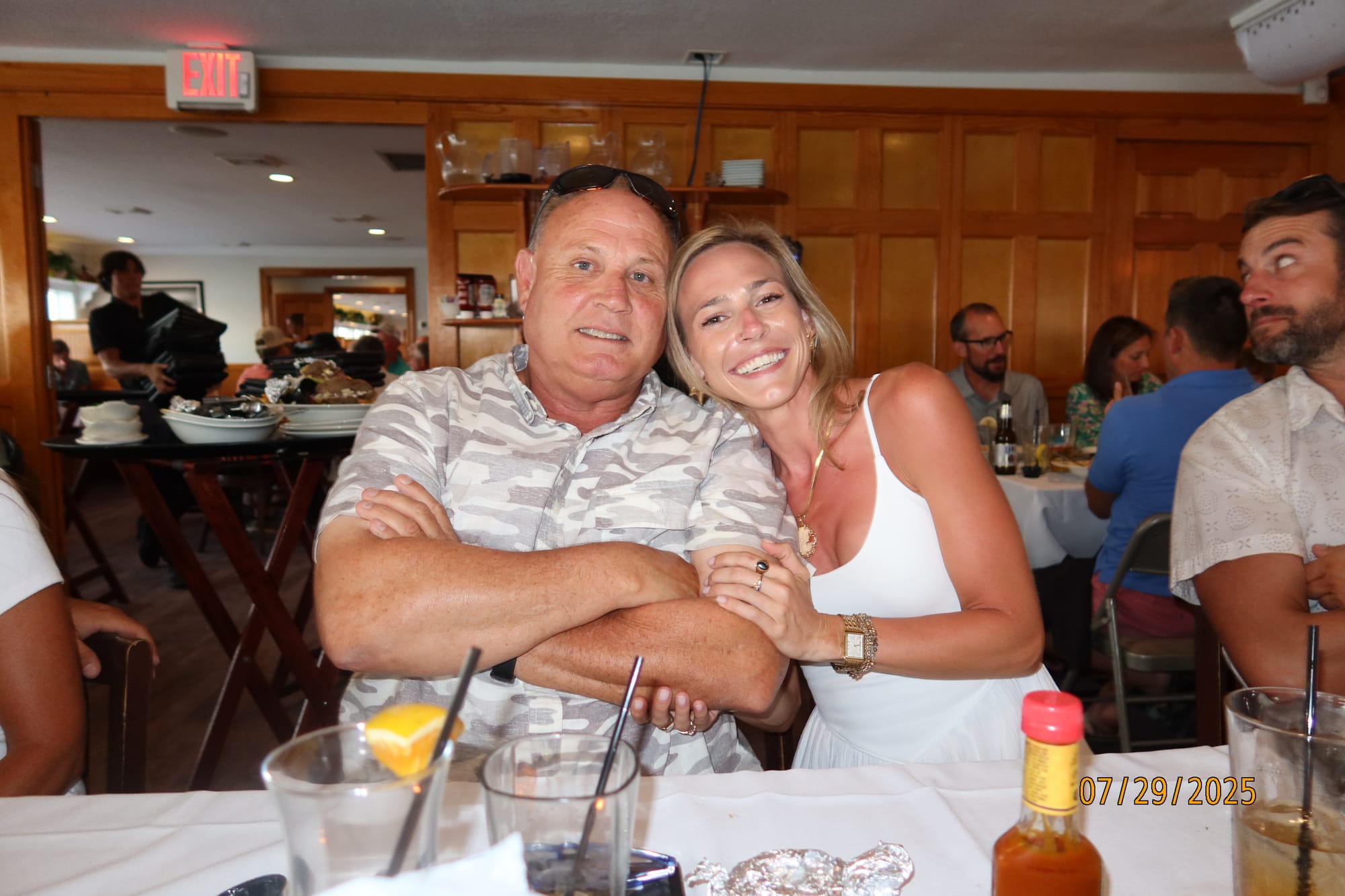
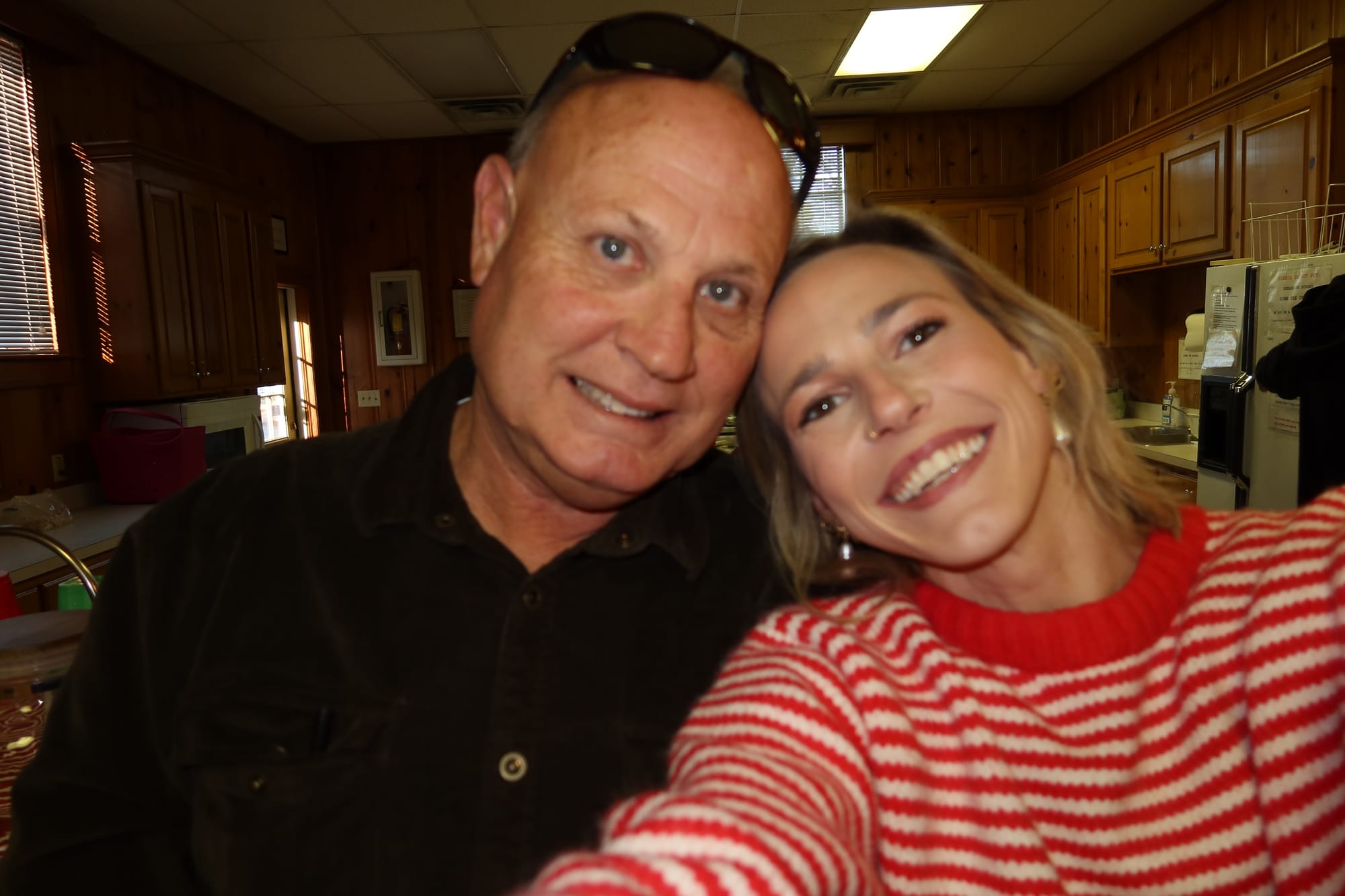
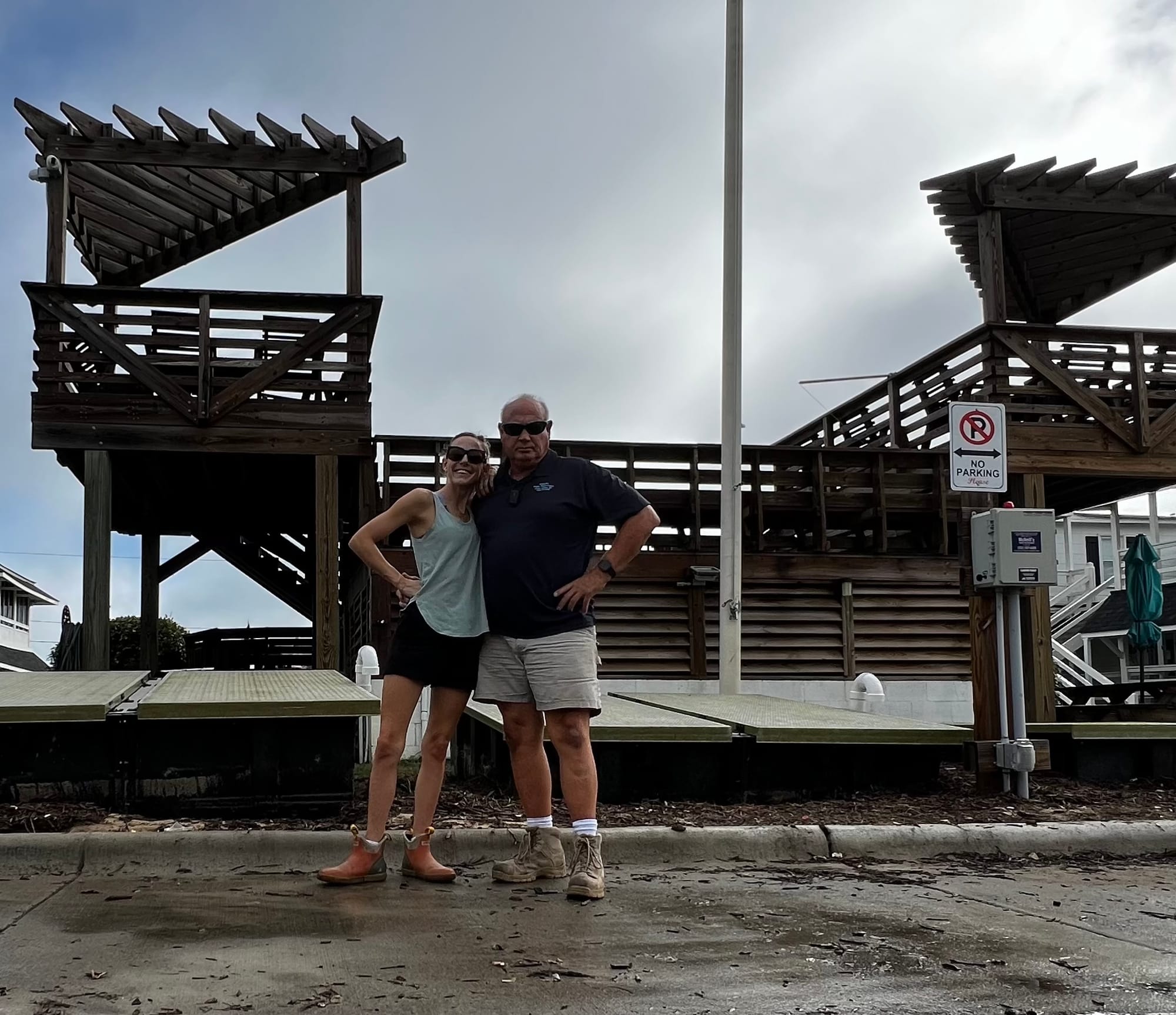
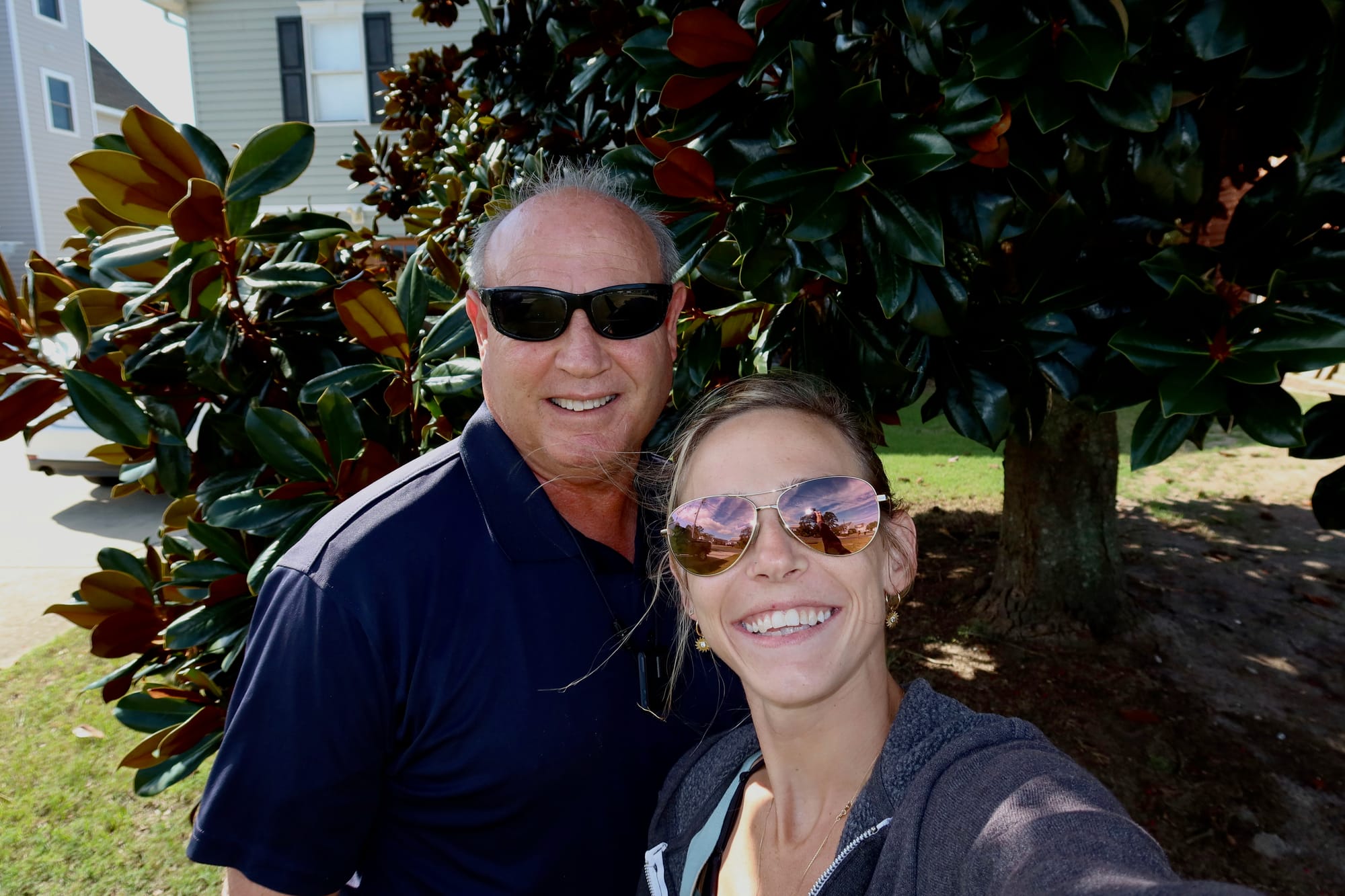
A Father, a Daughter, and a Legacy in Motion
Jimmy and Cassidy don’t work the same way — and that’s what makes them effective. Jimmy is the long-time relationship builder, the steady hand, the one homeowners trust immediately.
Cassidy is the logistical powerhouse, the technical lead, and the operator who ensures every detail is documented, measured, and optimized.
“We’re best friends — except when we’re arguing,” Cassidy jokes. “But not many adults get to spend this much time with their dad, or learn a trade from someone their community respects so much.”
Saving Vacations, One Emergency at a Time
Their work prevents disasters most renters never know about:
- Rewiring a lightning-struck system during a nor’easter so a family could enjoy Thanksgiving dinner
- Answering 3 a.m. emergency calls because renters had nowhere else to go
- Battling summer traffic to stop backups in homes with no available replacements
“When people come here, that’s their one break all year,” Jimmy says. “I’m not going to tell them they can’t flush until morning.”
Committed to the Community — and the Industry
Cassidy was recently appointed to the NC Onsite Wastewater Contractors & Inspectors Certification Board, bringing a much-needed field perspective and the voice of a younger generation to a board that has long lacked fresh representation.
“You need people who are actually doing the work,” she says. “That’s how you keep the industry credible.”
What’s Next for McNeill’s Septic
Jimmy says he’ll never fully retire — but he’s intentionally transitioning more responsibility to Cassidy. She already handles 60–70% of field work and has plans to modernize the business with:
- Better digital recordkeeping
- On-the-go access to system histories
- Streamlined scheduling and reporting
- A simple online presence for customers
Not to grow bigger — but to serve the community better.
Because for the McNeills, the mission has always been clear:
Protect the Outer Banks.
Serve homeowners and visitors with integrity.
And make sure the next generation is ready to take the reins.
Septic School: Subsurface Operator School Video - Kitty Hawk NC
Learn How to Become a Subsurface Wastewater Operator