Septic System Access Safety: A Growing Concern for Virginia’s Onsite Industry
Recent incidents in Virginia and neighboring states highlight the dangers of unsecured septic tank lids. This article outlines patterns in access point failures and shares how secondary safety mechanisms, now required in North Carolina, are becoming part of responsible system design.

Recent Fatal Incidents in Virginia and Nearby States
Virginia has witnessed several tragic accidents involving unsecured septic system access points. In one case, a five-year-old boy in Pulaski County wandered from home in 2015 and was found days later inside a septic tank; investigators noted the tank had been covered only by a light two pound plastic lid. More recently, in September 2024, a two-year-old in Northumberland County managed to dislodge the lid of a septic tank and fell inside; despite immediate rescue efforts, the child did not survive. These heartbreaking incidents underscore the deadly risk when septic tank lids are not securely fastened or structurally sound.
Similar accidents have been documented in neighboring states, revealing common hazards. In Maryland, for example, a 16 month old toddler died when an old concrete septic tank cover collapsed under his weight as he walked over it. First responders noted that the deteriorated tank top had essentially caved in, creating a gaping opening. In another regional case, authorities searching for a missing two-year-old in South Carolina discovered a septic tank’s lid flipped upside down; the child had fallen in through the unsecured opening and drowned. Each of these incidents involved a compromised or improperly secured access point, whether a lid that gave way without warning or one that a curious child could remove.
Patterns of Failure and Preventable Causes
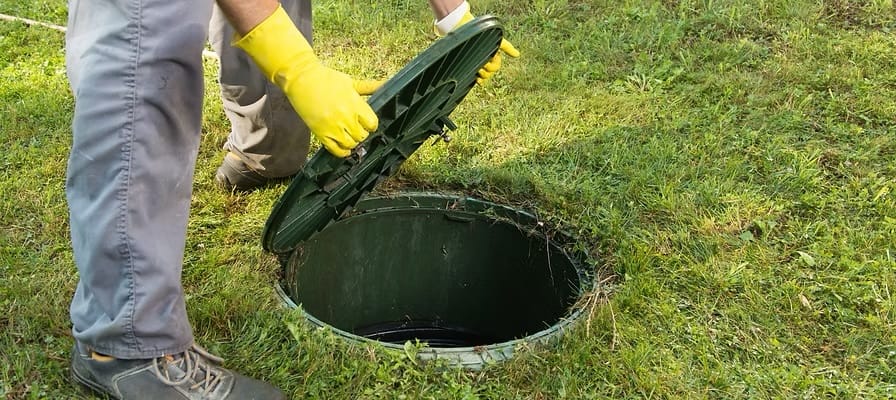
Investigations into these fatalities have revealed alarming patterns in how septic system access points fail. A recurring factor is the use of weak, damaged, or improperly secured lids. Some older septic tanks have covers that deteriorate over time such as metal lids that rust through, concrete slabs that crack, or even makeshift wooden covers that can unexpectedly collapse or shift. In the Maryland case, the concrete cover was no longer structurally sound, leading it to cave in under a toddler’s small footsteps. In other cases, the lids were lightweight or not locked down, making it possible for children to nudge them aside or lift them off. The Pulaski County tragedy demonstrated how a thin plastic riser lid provided little resistance to a child’s curiosity. Likewise, the Northumberland County incident showed that a toddler could compromise an unsecured lid either by moving it or by stepping on a loose edge, resulting in a fall into the tank.
These failures were preventable. Physical safeguards that should be part of standard septic design and maintenance were missing or insufficient. In several incidents, the primary cause was an access cover that did not meet basic safety criteria such as a sound, secure cover that can support weight and cannot be easily removed by children or animals. Regular inspection and upkeep might have detected the weakened condition of an aging lid or the absence of proper fastenings before it led to a collapse. The pattern is clear. When septic lids are structurally compromised or not secured against tampering, the risk of accidental entry and drowning is significantly heightened.
Secondary Safety Mechanisms and New Requirements
To address these hazards, some jurisdictions have strengthened their regulations on septic system design. North Carolina has recently adopted requirements for secondary safety mechanisms on all new or replacement septic systems. State rules now mandate that in addition to a secure primary lid, an internal barrier must be provided inside the access riser as a backup safety measure. This secondary safety mechanism may be an internal concrete lid, plastic screen or net, or similar device installed just below the main cover. Its purpose is to prevent accidental entry and effectively catch anyone who might fall in if the outer lid is removed or fails.
Under North Carolina’s standards, new septic and pump tanks are designed with these dual layers of protection. A tamper resistant outer lid and a secondary interior cover or screen serve as a last line of defense. By instituting this requirement, North Carolina aims to eliminate the kinds of fatal mishaps that have occurred when only a single lid stood between a person and the open tank.
While Virginia’s regulations have long required that septic tank lids be secure and able to withstand expected loads, the recent incidents suggest that additional precautions could make a life saving difference. Many modern septic tanks now come equipped with safety nets or secondary lids as optional features, often called child proof or kid catcher devices, which can be easily installed in existing systems. These added safeguards typically remain in place even when the main lid is opened for servicing.
Emphasizing Safety in Design and Maintenance
The above cases and measures highlight that physical safety must be a core consideration in septic system design, installation, and maintenance. Responsible septic professionals are not only tasked with treating wastewater, but also with protecting people who live and work around these systems. This means selecting tank and riser products that have proven load bearing strength and secure covers, installing them according to specifications, and verifying that all access points remain in safe condition over time.
Regular maintenance visits are an opportunity to inspect lids and risers for cracks, corrosion, or loose fitment. Any of these could lead to a dangerous failure if left unaddressed.
These incidents serve as a reminder that even a well functioning septic system can pose a hidden hazard if its access is not safeguarded. A moment’s lapse in securing a lid or a decade of gradual decay in a concrete cover can have dire consequences. By learning from the documented patterns of failure such as unsecured lids, aging infrastructure, and absent secondary protections, the septic industry in Virginia and elsewhere can work to prevent the next tragedy before it happens.
The recent fatalities are a somber reminder that beyond the biology and engineering of wastewater treatment, basic physical safety is a critical part of onsite system management. Incorporating strong safety measures and vigilant maintenance practices is not just a regulatory obligation but a professional standard. Every preventive step helps ensure that a septic system remains a safe and reliable part of the built environment.