
NC Coastal Resources Commission Sends Oceanfront Septic Proposal Back for More Work
Commissioners agreed that septic systems exposed or failing on North Carolina’s beaches present a serious problem, but questions about maintenance, geographic scope and how CAMA treats septic systems kept the proposed rule from advancing.
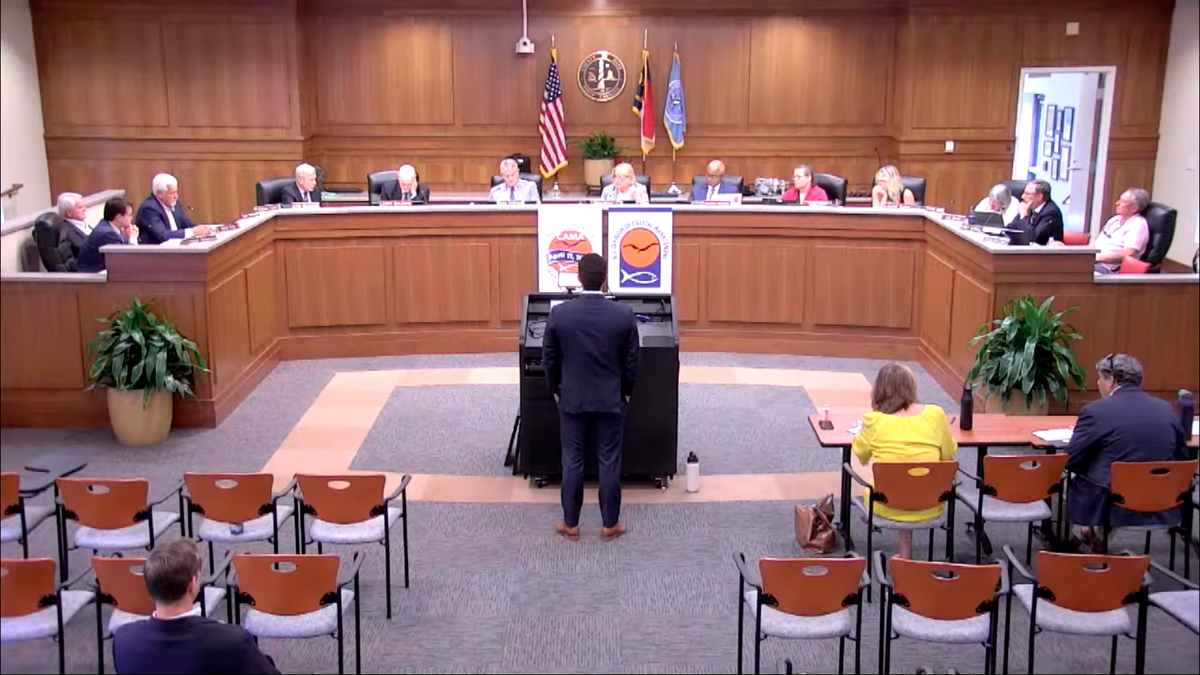
The North Carolina Coastal Resources Commission did not move forward with proposed new rules governing oceanfront septic systems at its August meeting, instead directing Division of Coastal Management staff to continue working with stakeholders and develop revised options.
There was no formal vote to adopt or advance the septic proposal, and the language discussed at the meeting remains under development.
The discussion made clear that commissioners generally recognize the problem DCM is trying to address: continued shoreline erosion has left some existing septic systems exposed on or near the active beach, particularly in highly erosional areas such as Rodanthe and Buxton.
The harder question is how to address those systems without unnecessarily creating a new CAMA permitting process for routine wastewater-system maintenance.
The septic discussion begins at approximately 4:32 in the CRC meeting recording on YouTube.
Where Does Maintenance End and Repair Begin?
Under the proposed language presented to the Commission, repair or replacement of a septic tank, pump tank or component of a ground absorption system could require a CAMA permit when the system is located oceanward of specified shoreline reference lines.
The proposal also included a CAMA-specific definition of “maintenance,” generally limited to activities such as inspection, pumping, cleaning, replacement of effluent filters and adjustment of controls. That definition differs from North Carolina’s existing onsite wastewater rules.
Under 15A NCAC 18E .1301(h), replacing a specific component with an identical component is considered maintenance, except for tanks and dispersal media. The rule specifically includes pipes, blowers, pumps, disinfection components, effluent filters, control panels and appurtenances.
That means work considered maintenance under the state’s wastewater rules could potentially be treated differently under the proposed CAMA language. During the CRC discussion, staff acknowledged that this definitional difference was among the issues needing additional work with stakeholders.
How Far Should the Rule Reach?
Commissioners also questioned whether a rule intended to address septic systems on the public beach could reach considerably farther inland. During the discussion, one commissioner asked whether the proposal could eventually affect all oceanfront properties using septic systems, including properties where the wastewater system remains substantially removed from the shoreline. That led to questions about where the regulatory line should actually be drawn.
Should additional CAMA review apply to every oceanfront septic system? Only systems physically exposed on the beach? Systems immediately adjacent to the public trust area? Or systems that have reached some other measurable threshold of erosion risk? The distinction matters.
A rule designed to stop the continued repair or reconstruction of septic infrastructure on the active beach is considerably different from a rule that creates additional permitting requirements for ordinary repairs to functioning systems farther landward. One commissioner summarized the underlying objective simply during the discussion:
“You just can't keep septic tanks on the beach.”
There appeared to be broad agreement with that principle. The difficulty is writing a rule that addresses that specific problem without reaching significantly beyond it.
Should the Septic System Be Treated Separately From the House?
Another important issue emerged from existing CAMA policy. DCM explained that when determining whether work qualifies as repair or replacement under CAMA, the cost of septic-system work is currently considered part of the repair cost of the associated structure.
In practical terms, that means the cost of repairing a septic system is compared with the value of the house. Commissioners questioned whether that makes sense. A septic repair will ordinarily represent only a fraction of the value of an oceanfront home. The Commission therefore discussed the possibility of treating the septic system separately from the primary structure when determining when CAMA review should be triggered.
That approach could potentially focus CAMA review on substantial reconstruction or replacement of threatened wastewater infrastructure without turning routine component maintenance into a coastal development decision.
Failing Systems Are a Different Problem
The discussion also drew an important distinction between a system that is threatened by erosion and one that is actually failing. One commissioner emphasized that the consequences of a malfunctioning system extend beyond the property owner:
“Their failing septic tank is impacting their neighbors and the visitors to that beach and everything else that uses the ocean nearby.”
The commissioner continued:
“If it's failing, they shouldn't be using the septic tank.”
That is an important distinction.
North Carolina’s wastewater rules already regulate malfunctioning systems and prohibit sewage or effluent from discharging to the ground surface or surface waters. The coastal policy question is different: At what point have shoreline conditions changed so significantly that continuing to repair or reconstruct a wastewater system in the same location is no longer appropriate?
That appears to be the question CRC is ultimately trying to answer.
A More Targeted Rule
From an onsite wastewater regulatory perspective, one possible path is to avoid creating a second definition of routine maintenance where the state’s wastewater rules already provide one.
CAMA could instead focus additional coastal review on the circumstances unique to shoreline migration—such as relocation, tank replacement, substantial dispersal-system reconstruction, repeated exposure, or continued reconstruction of infrastructure that has effectively become part of the active beach.
There is an important practical difference between replacing a failed pump in an otherwise functioning wastewater system and reconstructing a septic system that is now sitting on the beach. The rule should make that distinction clear.
For now, the Commission has chosen not to advance the language presented in August. DCM will continue working with stakeholders and developing alternatives for the Commission’s consideration.
The CRC’s next scheduled meeting is October 28–29 in New Bern.
The Commission did not reject the need to address oceanfront septic systems. The August discussion instead demonstrated how important it is to define the problem precisely before creating a new regulatory solution.