
Proposed CAMA Rule Raises Questions About Routine Oceanfront Septic System Repairs
North Carolina coastal regulators are considering a rule that could require a CAMA permit before repairing or replacing common septic system components, even when they are replaced in the same location.
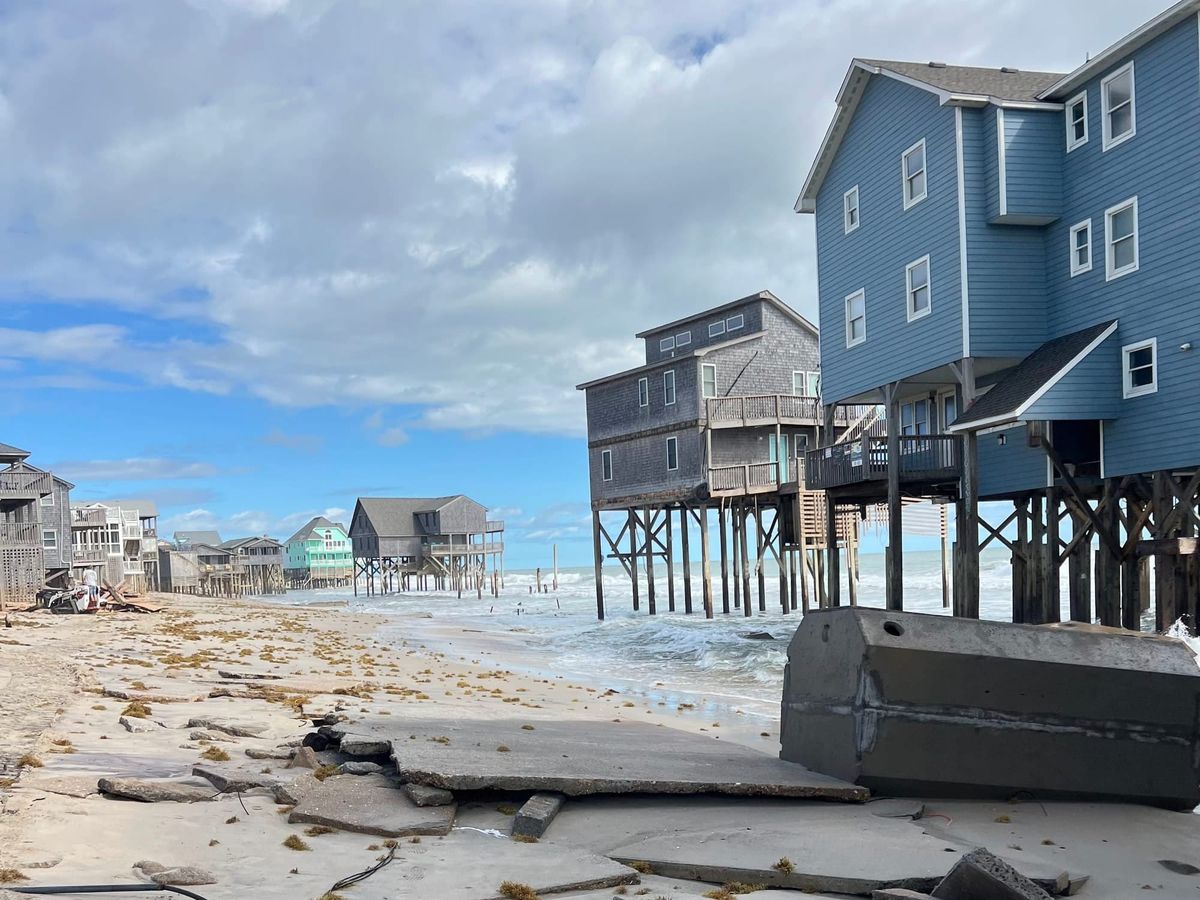
A proposed change to North Carolina's coastal management rules could require a CAMA permit for repairs that onsite wastewater professionals may ordinarily consider routine maintenance, including like for like replacement of damaged system components. The proposal is scheduled to come before the North Carolina Coastal Resources Commission at its August 26 and 27 meeting in Manteo.
The proposal is contained in an August 5, 2026 Division of Coastal Management memo, CRC-26-75, proposing amendments to 15A NCAC 07H .0306 for septic systems within Ocean Hazard Areas of Environmental Concern.
Read the proposed rule and August 5 memo:
The stated purpose of the proposal is understandable. Coastal erosion has resulted in septic systems that were originally installed in compliant locations eventually becoming exposed on the active beach or repeatedly affected by ocean water. DCM is attempting to create a regulatory mechanism for evaluating whether those systems should continue to be repaired in place or relocated landward. Protecting beaches, coastal waters and public health is a goal the wastewater industry shares. The concern is how broadly the proposed rule defines the work that would trigger CAMA permitting.
What the Proposed Rule Would Do
The proposed language applies when a septic tank, pump tank or component of a ground absorption system is located oceanward of the applicable vegetation line, measurement line or pre project vegetation line. In those circumstances, the proposal states that a CAMA permit would be required for the repair or replacement of any septic tank, pump tank or component of a ground absorption system. Only "maintenance," as specifically defined by the proposed CAMA rule, could occur without a CAMA permit. That definition is extremely important.The proposed rule defines maintenance as routine servicing activities performed to preserve normal system operation, but then limits those activities to:
- Inspection
- Pumping
- Cleaning
- Replacement of effluent filters
- Adjustment of system controls
The proposed language then expressly states that maintenance does not include replacement, alteration, relocation or repair of any damaged component of a wastewater system. That creates a potentially significant issue for onsite wastewater professionals.
Many Ordinary Maintenance Activities Involve Replacing Components
Wastewater systems are infrastructure. Components wear out. Pumps eventually need replacement. Tank lids become damaged. Distribution components break. Electrical and mechanical components fail. Low pressure pipe systems can have damaged turn ups or other components that need replacement. In many cases, the appropriate maintenance response is simply to remove a damaged component and replace it with the same component in the same location.
Under the proposed CAMA language, however, that work could fall outside the definition of maintenance because it involves the repair or replacement of a damaged component.
Consider several common examples:
A damaged turn up on a low pressure pipe system needs replacement.
A pump reaches the end of its service life and needs to be replaced with an equivalent pump.
A damaged septic or pump tank lid needs replacement.
A damaged distribution component needs a like for like replacement.
These are not necessarily attempts to extend wastewater infrastructure farther toward the ocean. They may not involve relocating anything. They may not change the footprint of the wastewater system at all. They are often simply the work necessary to keep an existing wastewater system functioning safely. Yet under the proposed language, those activities could require the property owner to first obtain a CAMA permit.
The Definitions of Maintenance May Not Line Up
This creates another important regulatory question. The onsite wastewater program administered through NCDHHS Onsite Water Protection branch has its own regulatory framework governing system operation, maintenance, repair and replacement. CAMA would now establish a separate definition of maintenance for purposes of coastal permitting. Those definitions and regulatory concepts may not line up.
That matters because the same activity could potentially be treated as routine or necessary system maintenance under the wastewater program while simultaneously being treated as a repair requiring a separate permit under the coastal management program. Wastewater professionals and property owners need to know which standard controls and how the two programs will coordinate.
What Standards Will CAMA Use to Approve or Deny the Permit?
There is another significant unanswered question. The proposed rule tells property owners when they need a CAMA permit, but it is much less clear what happens after they apply for one.
What standards will determine whether replacing a damaged pump is approved?What determines whether a damaged tank lid can be replaced?
What determines whether a broken component of an LPP system can be repaired?Under what circumstances would CAMA deny one of these repairs?
If the system remains legally permitted under the onsite wastewater program and the proposed work does not relocate or expand the system, what coastal management standard determines whether that component may be replaced?
The August memo states that requiring CAMA review would not automatically require relocation or prohibit repair. Instead, DCM says the permit process would allow the Division to evaluate site specific conditions and determine the appropriate course of action under the Ocean Hazard rules.That explanation still leaves an important practical question for the regulated community:
What are the actual approval and denial standards?
A permitting requirement should provide reasonably clear expectations about what an applicant must demonstrate to receive the permit. Without that clarity, the proposal risks adding another layer of agency oversight without clearly explaining what substantive standard that additional review is intended to enforce.
There Is an Important Difference Between Relocation and Maintenance
There is a strong policy argument for CAMA review when someone proposes relocating wastewater infrastructure within an Ocean Hazard Area. Relocation involves a new siting decision. If a property owner proposes moving a septic tank, pump tank or dispersal component closer to the ocean, it is understandable that coastal regulators would want to evaluate whether that new location is appropriate.
Like for like maintenance is different. Replacing a damaged component in the same location does not necessarily create a new coastal siting decision.
Wastewater infrastructure requires maintenance over its useful life. That is not an unusual event. It is an expected part of operating a wastewater system. Creating an additional permitting process every time certain components require replacement could make maintaining those systems more difficult without necessarily changing where the infrastructure is located.
Delaying Repairs Could Work Against the Environmental Goal
This is perhaps the biggest practical concern. A damaged wastewater component can create an urgent need for repair. The longer a wastewater system remains damaged or inoperable, the greater the potential risk to public health and the environment.
If a pump stops operating, a tank lid becomes unsafe or a dispersal component is damaged, the environmentally responsible response may be to repair the problem quickly. Requiring an additional permitting process before ordinary component replacement can occur could unintentionally delay the very work necessary to keep wastewater contained and properly treated. That would be counterproductive.
The goal should be to prevent wastewater releases and move vulnerable infrastructure landward when reasonable opportunities exist. It should not become unnecessarily difficult to maintain a functioning wastewater system while that long term solution is being evaluated.
A More Targeted Approach May Be Appropriate
There appears to be an important distinction that deserves further discussion as this proposal moves forward. Review may make considerable sense when:
- A septic system is being relocated
- A component is being moved farther waterward
- A repair would materially expand the system footprint
- Continued repair in place creates a recurring environmental or public safety problem
The policy question is whether the same permit should be required for like for like replacement of ordinary components in their existing locations. Those are very different activities. A rule designed to prevent repeatedly rebuilding septic infrastructure on the active beach should be careful not to unintentionally create permitting barriers for routine work necessary to keep wastewater systems operating safely.
A Simpler Solution: Use the Existing 18E Definition of Maintenance
A cleaner solution would be for CAMA to follow the existing definition of maintenance in the 15A NCAC 18E rules rather than create a separate, narrower definition. The 18E framework already determines what work is considered maintenance, what rises to the level of repair or replacement, and when a wastewater permit is required. If work falls within CAMA jurisdiction and also requires a wastewater permit under 18E, then that same work could trigger the additional CAMA permit. But routine maintenance should be left alone.
Under 18E, maintenance does not authorize relocation of system components, replacement of subsurface dispersal systems, or replacement of tanks, so the activities most likely to raise legitimate coastal siting concerns are already outside the maintenance category. Using the existing 18E definition would preserve necessary like-for-like maintenance while still giving CAMA oversight over the kinds of substantial repairs, replacements, and relocations that warrant additional coastal review.
Questions the Industry Should Be Asking
Before this proposal moves forward, several questions deserve clear answers.
How will CAMA's definition of maintenance coordinate with NCDHHS wastewater rules?
The regulated community should not have two materially different definitions governing ordinary system maintenance without clear guidance about how they interact.
Will like for like component replacement require a permit?
The proposed language appears broad enough to include pumps, tank lids, LPP components and other ordinary replacement items.
What standards will CAMA use to approve or deny those permits?
The rule should give applicants meaningful notice of the criteria that will determine whether repair is allowed.
How quickly can urgent repairs be approved?
Wastewater failures can present immediate public health and environmental concerns.
Who determines whether the system is oceanward of the applicable shoreline line?
Wastewater contractors should not be placed in the position of making unofficial coastal jurisdiction determinations.
Could the rule distinguish relocation from like for like maintenance?
That may provide a more targeted way to address the underlying coastal management concern without unnecessarily regulating ordinary component replacement.
The Industry Shares the Environmental Goal
There should be no misunderstanding about the underlying objective. No responsible wastewater professional wants untreated wastewater reaching North Carolina's beaches or coastal waters. Systems that have become exposed on the active beach because of shoreline migration present legitimate environmental, public health and public safety concerns.
The question is whether the proposed regulatory mechanism is sufficiently targeted to solve that problem. Adding another permitting agency to routine component replacement does not automatically produce better environmental outcomes. Clear standards, coordination between agencies and the ability to perform necessary maintenance quickly are equally important.
The best regulatory approach should make it easier to protect the environment, not harder to maintain the infrastructure that is protecting it.
Coastal Resources Commission Will Consider the Proposal August 27
The Coastal Resources Commission's August meeting is scheduled for August 26 and 27, 2026 at the Dare County Government Complex in Manteo.
The published agenda places CRC-26-75, Septic Tank Rule Amendments, under Action Items and Rulemaking on Thursday, August 27.
The Commission's remaining scheduled 2026 meeting is:
| Date | Location |
|---|---|
| August 26 and 27, 2026 | Dare County Government Complex, Manteo |
| October 28 and 29, 2026 | DoubleTree New Bern Riverfront |
View the Coastal Resources Commission meeting schedule:
Read CRC-26-75 and the proposed septic rule amendments:
Wastewater professionals working along North Carolina's coast should review the actual proposed language before the August meeting. This is still a proposal. The industry has an opportunity now to identify implementation problems and help ensure that any final rule protects coastal resources while still allowing necessary wastewater infrastructure to be maintained safely and promptly.